Effects of Moxibustion: What It Does for Your Body
What Is Moxibustion and Why Do People Use It?
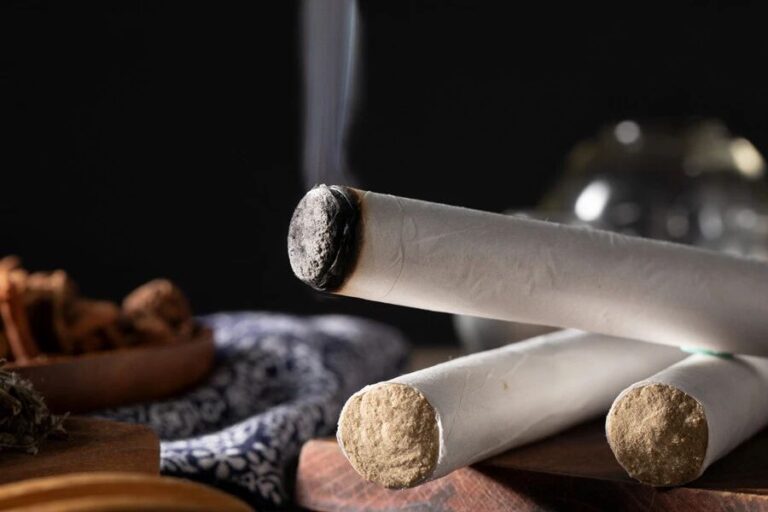
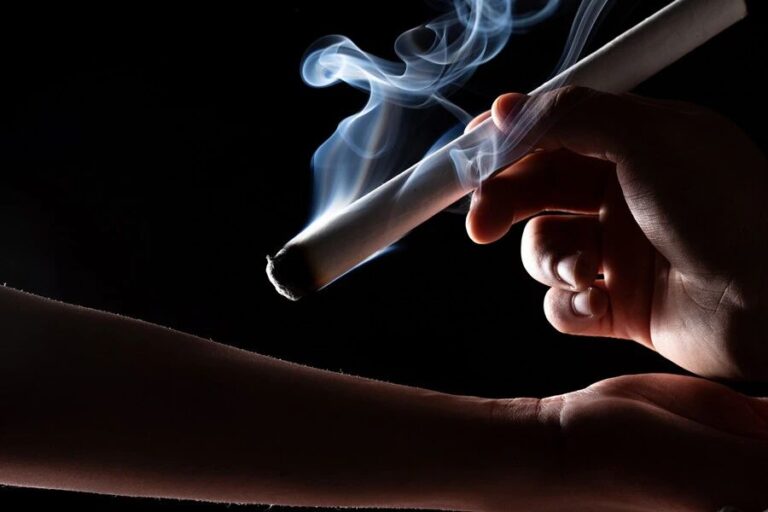
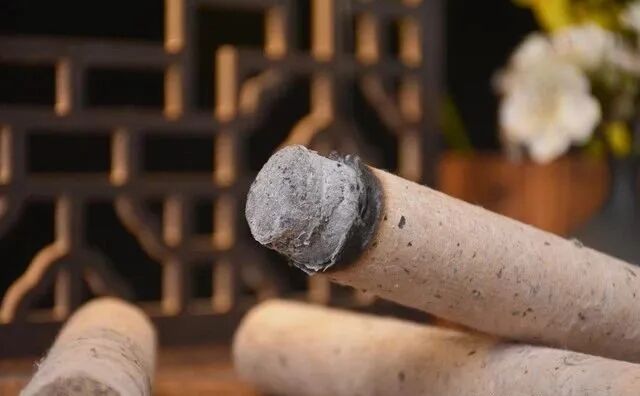
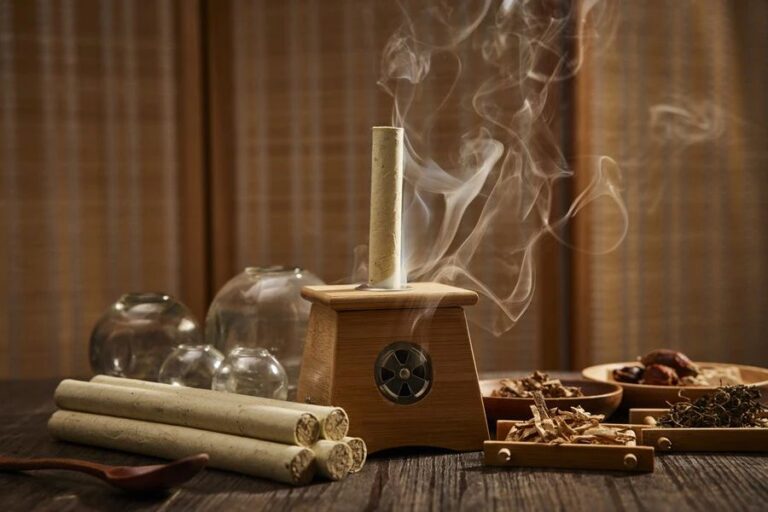
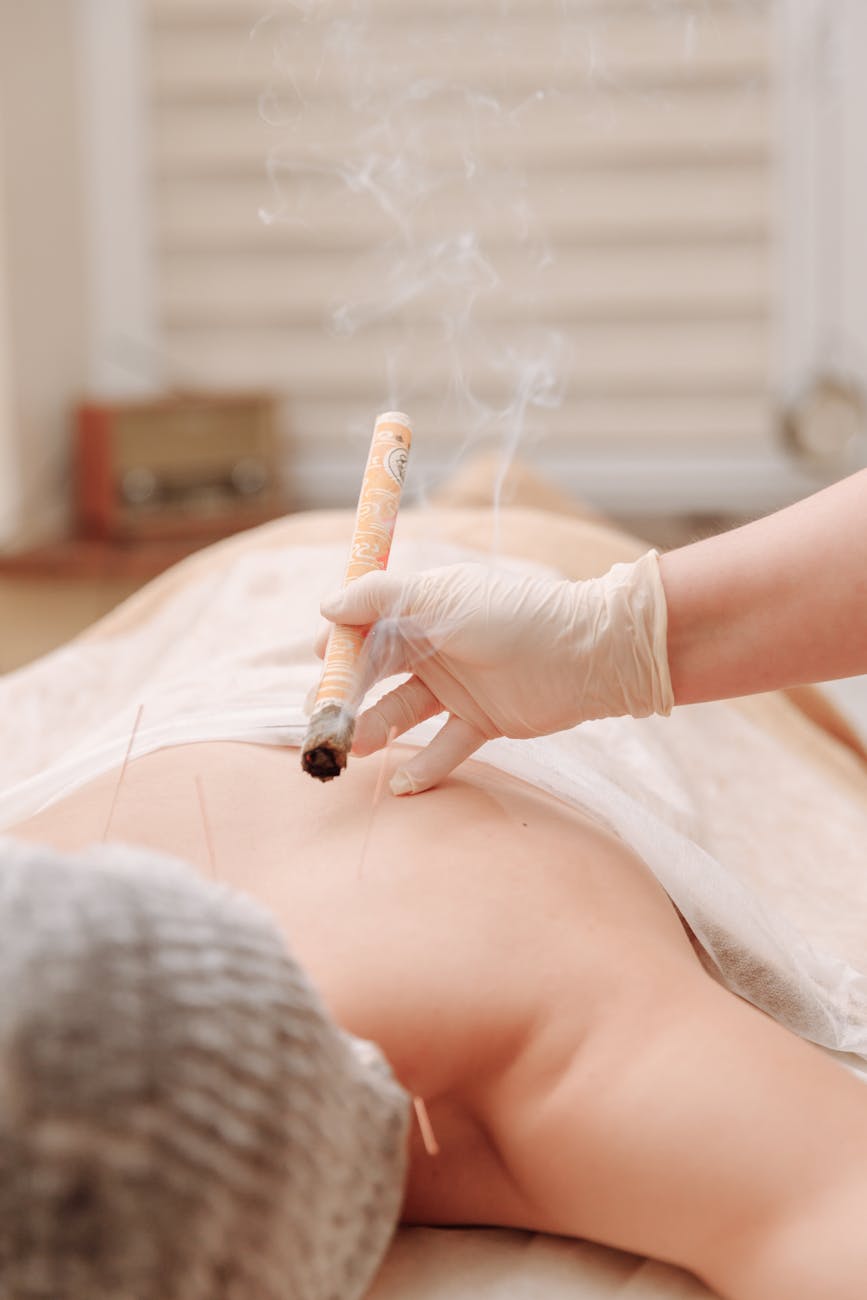
Moxibustion is a traditional Chinese medicine (TCM) therapy that involves burning dried mugwort (Artemisia argyi) near specific points on the body. The gentle, penetrating heat from the burning moxa stimulates acupuncture points, warms the meridians, and promotes the body’s natural healing response.
People turn to moxibustion for a wide range of reasons. Some use it to manage chronic pain. Others rely on it for digestive support, immune boosting, or relief from cold-related conditions. In TCM terms, moxibustion is primarily used to warm the body, dispel cold and dampness, and restore the smooth flow of qi (energy) and blood.
If you are new to this practice, read our complete beginner’s guide to moxibustion at home before starting. For a deeper dive into the scientific evidence behind these effects, see what science says about moxibustion.
Warms Meridians and Dispels Cold and Dampness
In TCM theory, many chronic conditions — such as joint pain, digestive sluggishness, and menstrual cramps — are believed to result from “cold” and “dampness” accumulating in the body. Cold causes stagnation; dampness creates heaviness and obstruction.
Moxibustion directly counters these patterns. The infrared heat from burning moxa penetrates deeply into the skin and underlying tissues, generating a warming sensation that many people describe as spreading through the body along the meridian pathways.
This warming effect is not just subjective. Research has shown that moxibustion increases local blood flow (vasodilation), raises skin temperature significantly at treated points, and can produce measurable changes in microcirculation. In TCM language, this is described as “warming the meridians and dispelling cold and dampness.”
For people who often feel cold, have cold hands and feet, or experience joint stiffness that worsens in cold weather, regular moxibustion on points like Zusanli (ST36) and Guanyuan (CV4) can bring noticeable relief. To learn the correct technique, see our step-by-step guide to using Chinese moxibustion.
Promotes Qi Circulation and Blood Flow, Resolves Stasis
One of the most valued effects of moxibustion in TCM is its ability to promote the circulation of qi and blood while resolving stasis. When qi and blood are stagnant — whether from injury, chronic tension, or internal imbalance — pain, swelling, and dysfunction can result.
Moxibustion addresses this in several ways:
- Thermal stimulation — the heat causes blood vessels to dilate, increasing local circulation. Improved blood flow helps deliver oxygen and nutrients while removing metabolic waste products from tissues.
- Pain relief — increased circulation helps flush out inflammatory mediators and can reduce the sensitivity of pain receptors. This is one reason moxibustion is commonly used for conditions like osteoarthritis, lower back pain, and menstrual cramps.
- Breaking up stagnation — in TCM, “blood stasis” refers to areas where circulation has become sluggish or blocked. Heat therapy from moxa is believed to help “move” stagnant blood, similar to how warmth can help a bruise heal faster.
Studies on knee osteoarthritis, for example, have found that moxibustion can reduce pain scores and improve joint function compared to control groups. While the mechanisms are still being investigated, improved local circulation and anti-inflammatory effects are two of the leading explanations. Read our research and evidence article for a detailed breakdown of the clinical data.
Tonifies Qi and Strengthens Vitality
In TCM, “qi” is the body’s fundamental life energy. When qi is deficient, a person may experience fatigue, weak digestion, frequent illness, or a general sense of depletion. Moxibustion is one of the primary TCM therapies used to tonify (strengthen) qi.
Key acupoints targeted for this purpose include:
- Zusanli (ST36) — known as the “longevity point,” it is the go-to point for boosting overall energy and digestive qi
- Qihai (CV6) — literally meaning “sea of qi,” this point below the navel is used to replenish the body’s core energy reserves
- Guanyuan (CV4) — supports kidney qi and reproductive vitality
Many practitioners report that patients with chronic fatigue, post-illness weakness, or age-related energy decline respond well to regular moxibustion sessions. The modern scientific perspective suggests that this “qi-tonifying” effect may relate to moxibustion’s influence on mitochondrial function, immune modulation, and the autonomic nervous system. For more on the science, see what science says about moxibustion.
Restores Yang and Consolidates Collapse
One of the more dramatic effects attributed to moxibustion is its ability to “restore yang and consolidate collapse.” In TCM, “yang collapse” refers to a state of severe deficiency where the body’s warming, activating energy has become dangerously depleted — manifesting as extreme cold, weak pulse, profuse sweating, and loss of consciousness.
While this is a critical-care application best left to trained practitioners, the underlying principle — that moxibustion powerfully restores yang energy — applies to less extreme scenarios as well:
- Chronic cold intolerance — people who always feel cold, even in mild weather, may have yang deficiency. Regular moxibustion on points like Mingmen (GV4) and Shenshu (BL23) can help restore internal warmth.
- Low libido and reproductive weakness — yang deficiency in TCM can manifest as low sexual vitality. Moxibustion on lower abdominal and lower back points is traditionally used to warm and invigorate the kidney yang.
- Recurring illness — if you catch every cold going around, yang deficiency may be a factor. Moxibustion on Dazhui (GV14) and Zusanli (ST36) can help strengthen the body’s defensive qi (similar to the immune system in modern terms).
These applications are well within the scope of home moxibustion when practiced correctly. For guidance on safe practice, see our safety precautions for moxibustion.
Prevents Disease and Enhances Overall Health
Prevention is a cornerstone of Traditional Chinese Medicine, and moxibustion has a long history of use as a preventive therapy. The famous TCM physician Sun Simiao (581-682 AD) was a strong advocate of regular moxibustion for maintaining health and preventing illness before it could take hold.
Modern research has begun to explore this preventive dimension. Studies suggest that moxibustion may:
- Modulate immune function — some research shows moxibustion can influence levels of immune cells (such as T-cells and natural killer cells) and cytokines, potentially enhancing the body’s defense against pathogens
- Reduce inflammation — the localized heat and biochemical compounds released from burning mugwort may activate anti-inflammatory pathways, which is why conditions like arthritis and inflammatory bowel conditions are among the most researched applications
- Support stress resilience — moxibustion has been shown to influence the hypothalamic-pituitary-adrenal (HPA) axis, potentially helping the body manage chronic stress more effectively
For a comprehensive review of the clinical evidence, we recommend reading what science says about moxibustion: research and evidence.
How Long Does It Take to Feel the Effects?
This is one of the most common questions about moxibustion, and the answer depends on what you are treating and your individual constitution.
Immediate effects (during or right after a session):
- Deep warming sensation spreading through the treated area
- Muscle relaxation and reduced tension
- A sense of calm and well-being (many people find moxibustion deeply relaxing)
- Improved local circulation (skin may appear pink and feel warmer)
Short-term effects (after 3-7 sessions):
- Noticeable reduction in pain or stiffness for musculoskeletal conditions
- Improved digestion and reduced bloating
- Better sleep quality
- Reduced severity of menstrual cramps
Longer-term effects (after 2-4 weeks of consistent use):
- More stable energy levels throughout the day
- Fewer colds and faster recovery from illness
- Reduced cold sensitivity
- More regular menstrual cycles
Consistency is key. Two to three sessions per week over several weeks will generally produce more meaningful results than occasional, longer sessions. Learn more about frequency in our guide on whether you can do moxibustion every day. For session timing, see moxibustion time requirements.
Effects vs. Side Effects: What to Expect
Moxibustion is generally very safe when practiced correctly, but it is important to distinguish between normal therapeutic effects and potential side effects.
Normal Therapeutic Effects
These are signs that the treatment is working and are not cause for concern:
- Mild redness and warmth at the treated area — this is expected and indicates increased circulation
- Light sweating during or after a session — a normal response to heat therapy
- Temporary fatigue after the first few sessions — your body may be adjusting; this typically resolves as treatment continues
- A feeling of warmth spreading beyond the immediate treatment area — a desired effect indicating qi movement along meridians
Potential Side Effects to Watch For
These are signs that you may need to adjust your technique or consult a professional:
- Burns or blisters — the moxa stick is too close to the skin. Maintain a distance of 2-3 cm and never let the lit end touch the skin
- Excessive redness or itching — you may be sensitive to mugwort smoke or the heat level is too high. Reduce session duration and increase distance
- Dizziness or nausea — this can happen if you perform moxibustion when overly hungry, tired, or in a poorly ventilated room. Always ensure good airflow
- Headache or throat irritation — usually related to smoke inhalation. Use smokeless moxa sticks if you are sensitive, or improve room ventilation
For a complete list of safety guidelines and post-session care, read our articles on what to note when performing moxibustion and what not to do after moxibustion.
Who Should Be Cautious About Moxibustion?
While moxibustion is safe for most people, certain groups should exercise caution or consult a healthcare provider first:
- Pregnant women — certain acupoints (especially Hegu LI4 and Sanyinjiao SP6) are traditionally contraindicated during pregnancy. Always work with a licensed practitioner if pregnant
- People with bleeding disorders or those taking blood-thinning medications — increased circulation could theoretically pose a risk
- Those with sensory neuropathy — if you cannot feel heat properly (common in advanced diabetes), you risk burns without realizing it
- People with active skin conditions in the treatment area — do not apply heat to broken skin, rashes, or infected areas
- Those with acute febrile illnesses — moxibustion generates heat, and in TCM theory it is generally avoided during conditions of “excess heat”
Frequently Asked Questions
What are the main effects of moxibustion?
The primary effects include warming the body and dispelling cold, improving blood circulation, relieving pain, boosting energy (tonifying qi), and supporting immune function. Different acupoints produce different targeted effects.
Is there scientific proof that moxibustion works?
Yes — the strongest evidence exists for knee osteoarthritis, breech presentation correction during pregnancy, and certain inflammatory conditions. The body of research is growing, though more large-scale clinical trials are needed. Read our detailed article on moxibustion research and scientific evidence.
Can moxibustion help with weight loss?
Moxibustion is not a direct weight-loss treatment, but it may support weight management indirectly by improving digestion, reducing water retention (dampness in TCM), and supporting metabolic function. Some practitioners combine moxibustion with dietary therapy for better results.
How often should I do moxibustion to see effects?
For general wellness, 2-3 sessions per week is recommended. For specific conditions, daily sessions for 5-7 days followed by a break may be appropriate. See our guide on moxibustion frequency for personalized recommendations.
Can I combine moxibustion with acupuncture?
Yes — in fact, acupuncture and moxibustion are frequently combined in clinical TCM practice. The two therapies complement each other: acupuncture provides precise point stimulation while moxibustion adds warming and circulation-boosting effects.
What should I look for when buying moxa sticks?
For best therapeutic effects, choose high-quality pure mugwort moxa sticks. Avoid cheap, impure products that may burn unevenly or produce excessive smoke. Learn more in our guide on where to buy moxa sticks.
Start Experiencing the Effects of Moxibustion
The effects of moxibustion — from pain relief and improved circulation to enhanced immunity and energy — are accessible to anyone willing to learn the basics. With a few quality moxa sticks, knowledge of key acupoints, and attention to safety, you can begin experiencing these benefits at home.
Ready to get started? Begin with our moxibustion at home beginner’s guide, then explore how to use Chinese moxibustion step by step.