Types of Moxa Products: A Complete Buying Guide
Walk into any traditional Chinese medicine supply store — or browse online — and you’ll quickly discover that “moxa” is not one single product. There are moxa sticks, moxa cones, loose moxa wool, moxa boxes, moxa patches, and a growing range of modern accessories. For anyone new to moxibustion, the variety can feel overwhelming.
This guide cuts through the confusion. We’ll walk through every major category of moxa product, explain what each is used for, and help you figure out which type makes the most sense for your needs — whether you’re a first-time home practitioner or looking to build out your moxibustion kit.
New to moxibustion entirely? Start with our complete beginner’s guide to moxibustion at home before diving into product selection.
Understanding Different Types of Moxa Products
All moxa products share the same core material: dried and processed Artemisia argyi (Chinese mugwort). What varies is the form factor — how the mugwort is prepared and packaged — which determines how it’s used, how long it burns, and what kind of treatment it’s suited for.
The main categories are:
- Moxa sticks (rolls) — the most popular form for home use
- Moxa cones — the traditional clinical form
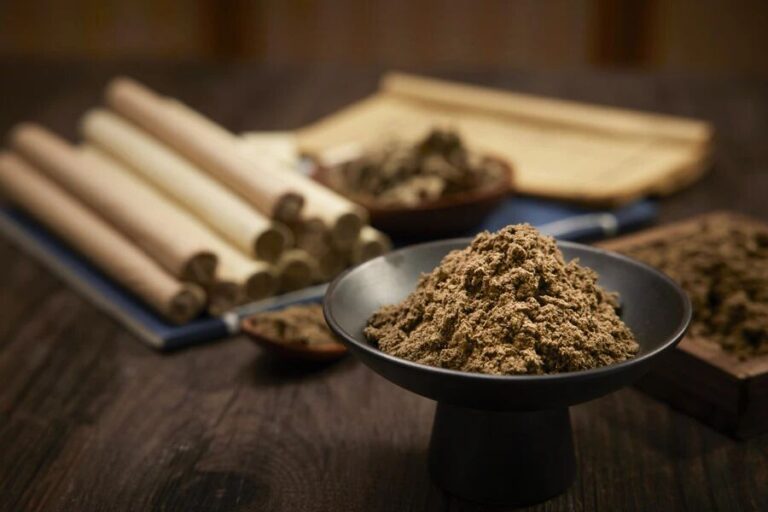
- Loose moxa wool — the raw processed material
- Moxa accessories and kits
Moxa Sticks (Moxa Rolls)
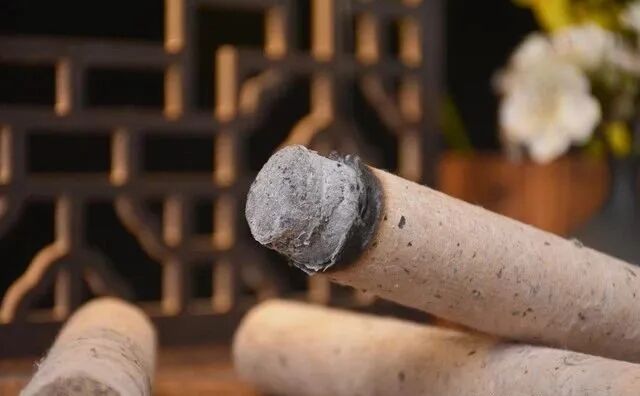
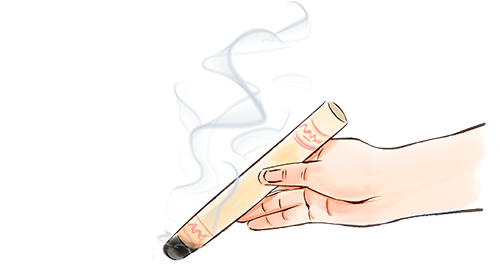
Moxa sticks — also called moxa rolls or moxa cigars — are the go-to product for home moxibustion. A moxa stick is simply compressed moxa wool rolled into a cylindrical shape and wrapped in paper, similar in appearance to a large cigar.
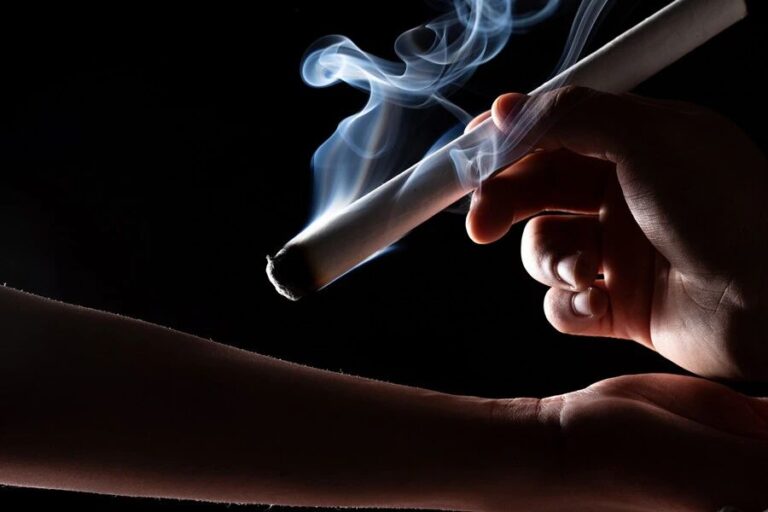
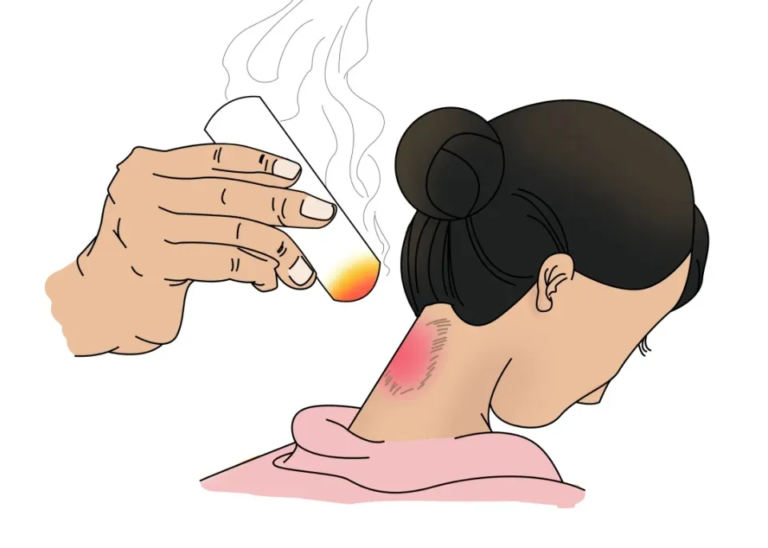
You light one end, let it smolder, and hold it near the acupoint you’re treating, moving it in slow circles or holding it stationary. The gentle, penetrating heat does the work. See our step-by-step guide to using moxa sticks.
Traditional Moxa Sticks
Traditional moxa sticks use pure dried mugwort and produce a characteristic warm, smoky aroma. They’re recognized by their brown or golden paper wrapping and the distinct smell of burning Artemisia.
- Heat output: Deep, penetrating warmth — the closest to authentic TCM clinical practice
- Best for: Cold-type conditions, chronic issues, practitioners who want maximum therapeutic effect
- Drawback: Produces noticeable smoke — not ideal for small, unventilated spaces
- Burn time: 45–60 minutes per stick (standard size)
- Moxa ratio: Higher quality sticks have a higher ratio of aged, refined moxa (aged 3–5 years is preferred)
For identifying quality moxa sticks before purchasing, see our guide on how to identify the quality of moxibustion sticks.
Smokeless Moxa Sticks
Smokeless moxa sticks are made from charcoal-processed mugwort. The processing significantly reduces (but doesn’t completely eliminate) smoke, making them much more practical for home and apartment use.
- Heat output: Consistent, focused heat — slightly different character than traditional moxa
- Best for: Home use, apartments, offices, people sensitive to smoke
- Drawback: Some practitioners feel the therapeutic effect is slightly weaker; also produces some odor
- Burn time: 60–90 minutes per stick (often burns longer than traditional)
- Note: “Smokeless” is relative — still ventilate the room during use
Mini Moxa Sticks
Mini moxa sticks (also called “moxa poles” or precision moxa) are smaller diameter sticks designed for precise, targeted treatment of specific acupoints — particularly small points on the hands, feet, and face.
- Diameter: Approximately 1–1.5 cm (vs. 1.8–2 cm for standard sticks)
- Best for: Facial acupoints, hand/foot reflexology points, delicate areas
- Burn time: 20–30 minutes per stick
- Popular use: Facial moxibustion (a growing practice for skin health and anti-aging)
Moxa Cones
Moxa cones are the original, classical form of moxibustion — the form used in China for over 2,500 years. A moxa cone is a small pyramid of compressed moxa wool placed directly on the skin (direct moxibustion) or on an insulating medium like ginger, garlic, or salt (indirect moxibustion).
Direct Moxa Cones
In direct moxibustion, a small cone is placed directly on the acupoint and burned completely. This is the strongest form of moxibustion and is primarily used in clinical settings by trained practitioners. It’s not generally recommended for home use, as it carries a risk of burns.
Indirect Moxa Cones (Ginger, Garlic, Salt Base)
In indirect moxibustion, the cone is placed on a medium that insulates the skin:
- Ginger moxibustion: Cone placed on a fresh ginger slice — warming and dispersing; excellent for cold and dampness conditions, joint pain, and digestive issues
- Garlic moxibustion: Cone on a garlic slice — anti-inflammatory; traditionally used for skin conditions, insect bites, and early-stage infections
- Salt moxibustion: Cone on a layer of salt placed in the navel (Shenque CV8) — warming kidney yang; used for severe cold conditions and abdominal pain
Indirect cone moxibustion with ginger base is safe for careful home practice. Cones are typically available in small, medium, and large sizes, corresponding to treatment intensity.
Loose Moxa Wool
Loose moxa wool (散艾绒) is the raw, processed mugwort before it’s formed into sticks or cones. It looks like soft, pale gold fiber — somewhat like cotton wool. Practitioners use it to hand-roll their own cones, fill moxa boxes, or apply directly on the needle handle in needle moxibustion (温针灸, a technique used by acupuncturists).
- Grades: Moxa wool is graded by the ratio of pure Artemisia to other plant material — higher grade (purer) burns cleaner and produces finer ash
- Common grades: 5:1 (standard), 10:1 (fine), 20:1 (very fine/pure). Higher ratios = more refined = better quality
- Best for: Practitioners who want control over their cones, acupuncturists doing needle moxibustion, users of moxa boxes
- Not for beginners: Rolling cones and managing loose moxa requires practice and experience
Moxibustion Accessories and Kits
Beyond the moxa material itself, a range of accessories makes home moxibustion safer, more convenient, and more effective.
Moxa Holders and Boxes
A moxa holder (also called a moxa roller or moxa wand holder) is a metal or wooden device that holds a lit moxa stick and can be placed on or near the body for hands-free moxibustion. Moxa boxes are larger wooden boxes that sit on the body (typically the abdomen or back) and hold the moxa stick inside, directing heat through holes in the base.
- Moxa roller holder: Handheld cylindrical holder with ventilation holes; allows one-handed use over acupoints
- Single-point moxa box: Small wooden box for focused treatment of one point
- Multi-point moxa box: Larger box covering 3–6 points simultaneously; excellent for back, abdomen, and lower back treatment
- Far-infrared moxa stick holder: Modern electric versions that simulate moxa warmth without burning — zero smoke
Moxa Extinguishers
Properly extinguishing a moxa stick after use is essential for safety — blowing it out or leaving it to smolder is a fire hazard. A moxa extinguisher (moxa snuffer) is a metal tube or container that cuts off oxygen to the burning tip, safely snuffing the stick so it can be reused.
- Tube extinguisher: Simply insert the burning end; the tube eliminates oxygen. Most common and inexpensive.
- Jar extinguisher: Larger container for extinguishing and storing sticks
- Strongly recommended: Every home practitioner should have one of these — safety first
Moxa Starter Kits
For beginners, a moxa starter kit bundles everything you need for home practice:
- Several traditional or smokeless moxa sticks
- A moxa holder or small box
- A moxa extinguisher
- Sometimes an acupoint chart or instruction booklet
Starter kits are the most cost-effective way to try moxibustion without over-investing before you know what you prefer. Once you’ve used several sticks and identified your preferred treatment areas, you can refine your kit.
Modern Moxa Products
The moxibustion market has evolved significantly, producing several modern alternatives for those who can’t use traditional moxa:
- Moxa patches: Adhesive patches with small self-adhesive cones or heating elements that attach to acupoints — no flame, no smoke. Popular with the elderly and mobility-limited users.
- Moxa essential oil: Topical oil infused with mugwort extract — provides a mild warming effect and the characteristic moxa scent without burning.
- Far-infrared moxa devices: Electric devices that emit far-infrared heat (the same wavelength as burning moxa) at acupoints — zero smoke, consistent temperature control. Higher cost but very convenient.
For those with respiratory sensitivities or who live in spaces where burning anything is not practical, these modern alternatives offer a way to maintain a moxibustion practice.
How to Choose the Right Moxa Product for Your Needs
| Situation | Recommended Product |
|---|---|
| Complete beginner, home use | Smokeless moxa sticks + extinguisher (starter kit) |
| Seeking maximum traditional therapeutic effect | Traditional moxa sticks (high-quality, aged moxa) |
| Apartment / poor ventilation | Smokeless moxa sticks or moxa patches |
| Treating back, abdomen, large areas | Multi-point moxa box with moxa wool |
| Precise acupoint work, small areas | Mini moxa sticks or single-point holder |
| Respiratory sensitivity / no burning allowed | Far-infrared moxa device or moxa patches |
| Traditional ginger moxibustion at home | Moxa cones (small/medium) + fresh ginger |
| Building a full home practice kit | Standard sticks + moxa box + extinguisher + chart |
What to Look for When Buying Moxa Products
Quality varies enormously between brands. Before buying, check these factors:
- Moxa ratio and purity — Higher-ratio moxa (10:1, 20:1) contains less plant fiber and burns more cleanly. Cheaper products may use less-refined material.
- Age of the moxa — Traditional TCM recommends aged moxa (3+ years). Properly aged moxa burns cooler, gentler, and more evenly. Some quality brands specify the year of harvest.
- Ash color — Pure, quality moxa produces fine, light-colored ash. Dark, heavy ash indicates impurities.
- Burning behavior — Quality moxa burns smoothly and evenly with a stable ember. Poor moxa tends to go out frequently or burn unevenly.
- Aroma — Authentic moxa has a distinctive warm, herbal fragrance. Harsh chemical smell suggests impure material or added substances.
For a deep dive into quality assessment, see our guide on identifying the quality of moxibustion sticks.
Frequently Asked Questions
What’s the difference between moxa sticks and moxa cones?
Moxa sticks are used with a holding technique — held near the body without touching, providing sustained indirect heat. Moxa cones are placed on the skin or an insulating material and burned directly or near the skin. Sticks are better suited for home practice; cones are more traditional and are commonly used clinically.
Are smokeless moxa sticks as effective as traditional?
This is debated among practitioners. Many TCM professionals believe traditional moxa provides deeper, more therapeutically potent heat. However, for home practice where smoke is a practical concern, smokeless sticks provide meaningful therapeutic benefit. The best moxa is the moxa you’ll actually use consistently. See our detailed comparison: Smokeless vs Traditional Moxa Sticks →
How many moxa sticks do I need to start?
A pack of 10 standard moxa sticks is a good starting point. This gives you enough to practice technique, identify which acupoints respond best, and develop a consistent routine. Many practitioners use 1–2 sticks per session.
Where is the best place to buy quality moxa sticks?
See our guide on where to buy moxa sticks for a breakdown of online and in-person options, including what to look for when evaluating vendors.
Ready to Start Your Moxibustion Practice?
For most people beginning at home, the practical starting point is simple: a pack of smokeless moxa sticks, a moxa extinguisher, and our beginner’s guide. As your practice develops, you can expand your kit with a moxa box for back and abdominal treatments, and eventually explore traditional sticks if smoke management is feasible in your space.
→ Get started: Moxibustion at Home — The Complete Beginner’s Guide →
→ How to use a moxa stick: step-by-step technique guide →
→ What the research says: moxibustion scientific evidence →