Moxibustion at Home: A Beginner’s Complete Guide
What Is Moxibustion? A Brief Introduction for Beginners
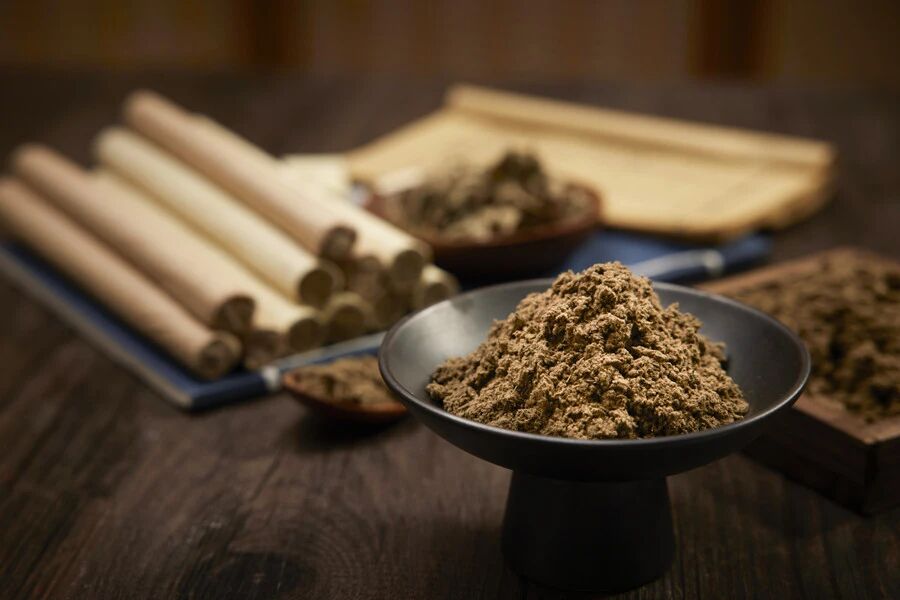
Moxibustion (often shortened to “moxa”) is a traditional healing practice from Chinese medicine that has been used for over 2,500 years. It involves burning dried mugwort (Artemisia argyi) near specific points on the body to stimulate circulation, warm the body, and support natural healing.
In 2010, acupuncture and moxibustion were officially recognized by UNESCO as part of the Intangible Cultural Heritage of Humanity. Today, moxibustion is practiced not only in China, Japan, and Korea but also increasingly in wellness centers and homes across Europe, North America, and Australia.
The principle is straightforward: the gentle, penetrating heat from burning moxa promotes blood flow, reduces inflammation, and encourages the body’s natural healing responses. Unlike acupuncture, which uses needles, moxibustion is non-invasive and can be safely performed at home once you understand the basics.
In this guide, you will learn everything you need to start practicing moxibustion at home — from choosing the right tools to performing your first session safely.
What You Need to Start Moxibustion at Home
One of the appealing aspects of moxibustion is its simplicity. You do not need expensive equipment or advanced training to get started. Here are the essential and optional items you will need:
Essential Tools
1. Moxa Sticks (Moxa Rolls)
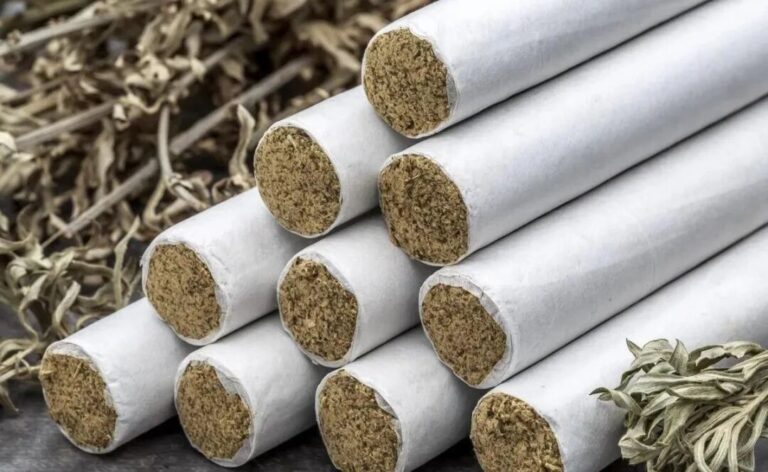
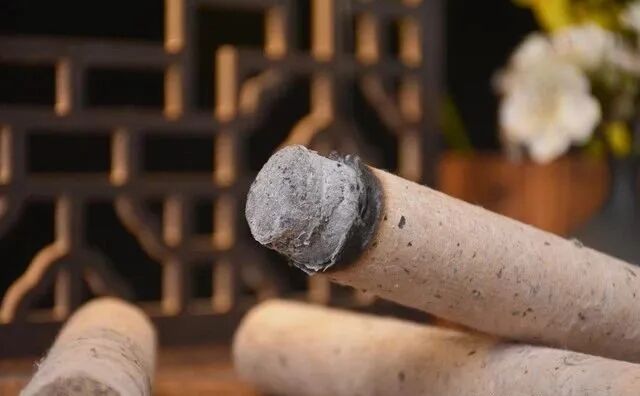
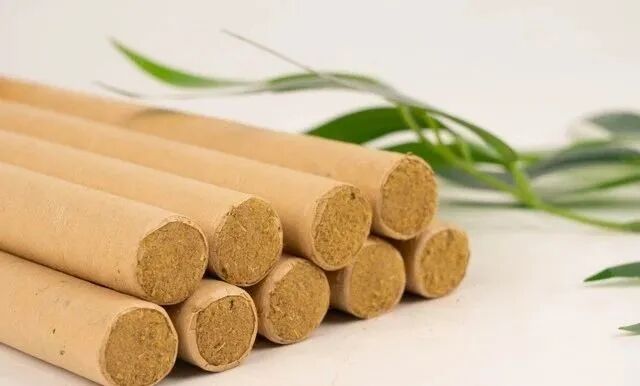
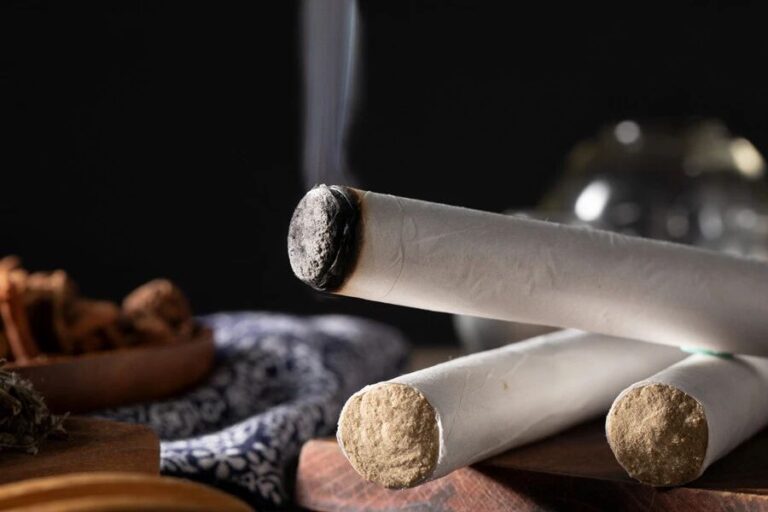
Moxa sticks are the most beginner-friendly form of moxa. They look like large cigars made of compressed, dried mugwort. You light one end and hold it near (but not touching) the skin. They are easy to control, relatively clean, and widely available.
For beginners, we recommend starting with high-quality, pure mugwort moxa sticks. Traditional moxa sticks produce a pleasant, earthy aroma and consistent heat. If you are sensitive to smoke, smokeless moxa sticks are also an option — though some practitioners believe traditional sticks deliver a more authentic experience.
2. A Moxa Holder (Moxibustion Box)
A moxa holder allows you to place the lit moxa stick in a small stand, freeing your hands. This is especially helpful when treating areas like your back or abdomen where holding the stick for 15-20 minutes can become tiring. Many holders also include an ash catcher for cleaner use.
3. A Moxa Extinguisher
Unlike candles, moxa sticks should not be blown out. A metal moxa extinguisher safely snuffs out the stick by cutting off oxygen. This is both safer and allows you to reuse a partially burned stick for your next session.
4. A Small Tray or Ash Bowl
Moxa sticks produce ash as they burn. A small metal tray or ceramic bowl to catch falling ash will keep your space clean and prevent accidental burns from hot ash.
Optional Accessories
Protective Cloth or Barrier
A thin cotton cloth or a specialized moxa shield can be placed between the moxa stick and the skin for those who prefer extra protection, particularly when first starting out.
A Timer
Since moxibustion sessions involve timed intervals at each acupoint, having a timer (your phone works fine) helps you avoid over-stimulating any single point.
Not sure where to find these supplies? Check out our guide on where to buy moxa sticks for recommendations on sourcing quality products.
5 Steps to Perform Moxibustion at Home
Once you have your supplies ready, performing moxibustion at home is a simple process. Follow these five steps for a safe and effective session:
Step 1: Prepare Your Space
- Choose a well-ventilated room (traditional moxa produces smoke, and good airflow is important)
- Wear loose, comfortable clothing that allows easy access to the areas you want to treat
- Have your moxa stick, holder, extinguisher, and ash tray within reach
- Keep a glass of water nearby
Step 2: Light the Moxa Stick
- Hold the moxa stick horizontally and use a lighter or candle to ignite the end
- Let it burn for 10-15 seconds until you see a glowing red ember
- Gently blow on the ember (do not inhale the smoke) until it is evenly lit with a small flame
- Blow out the flame — you want a smoldering ember, not an open flame
Step 3: Position the Moxa Stick
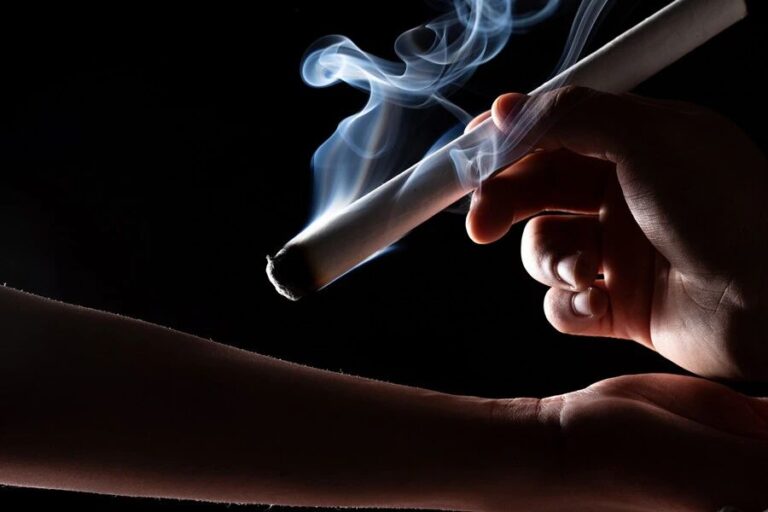
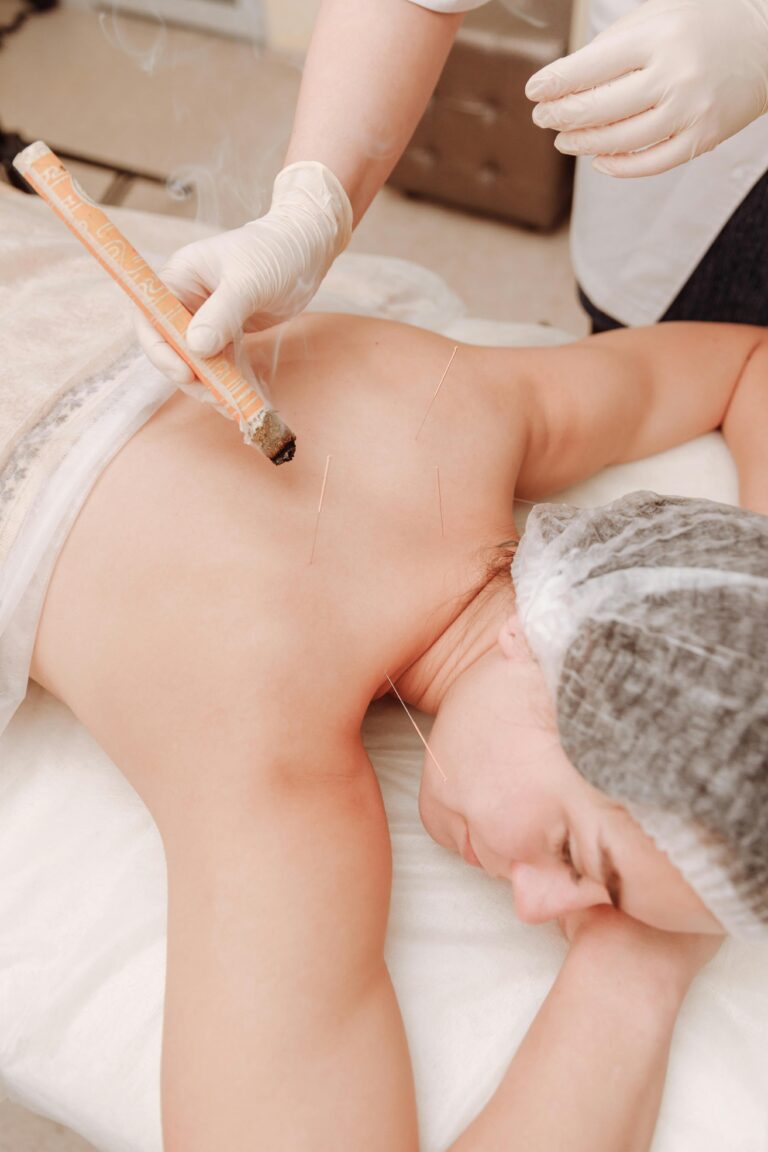
- Hold the lit end of the stick about 2-3 centimeters (roughly 1 inch) above the skin near the target acupoint
- You should feel a pleasant, deep warmth — never sharp heat or pain
- If it feels too hot, move the stick slightly further away
- Use a circular or pecking (up-and-down) motion for even heat distribution
Step 4: Time Your Session
- Spend 5-10 minutes on each acupoint
- A full session typically covers 3-5 acupoints and lasts 20-30 minutes
- The skin around the treated area should become slightly warm and pink — this is normal
- For detailed timing guidance, read our article on moxibustion time requirements
Step 5: Extinguish and Rest
- Place the lit end of the moxa stick into your metal extinguisher and press firmly to cut off oxygen
- Never extinguish moxa by blowing it out or dipping it in water
- After your session, rest for 10-15 minutes and drink warm water
- Avoid cold drinks, cold showers, or strenuous exercise for at least 2 hours — learn more about what not to do after moxibustion
Best Acupoints for Beginners
When starting moxibustion at home, it is best to begin with acupoints that are easy to locate, safe to stimulate, and have broad wellness benefits. Here are five excellent starting points:
1. Zusanli (ST36) — The “Longevity Point”
Location: About four finger-widths below the kneecap, one finger-width to the outside of the shinbone.
Benefits: Often called the most important acupoint in Chinese medicine, ST36 supports digestion, boosts energy, strengthens the immune system, and promotes overall vitality. It is an excellent point for beginners and safe for regular use.
2. Guanyuan (CV4) — The “Gate of Origin”
Location: About three finger-widths below the navel, on the midline of the abdomen.
Benefits: This point supports reproductive health, alleviates menstrual discomfort, strengthens the lower body, and promotes warmth. It is particularly beneficial for people who tend to feel cold.
3. Shenque (CV8) — The Navel Point
Location: The center of the navel.
Benefits: Traditionally used with salt moxibustion (a small amount of salt is placed in the navel with moxa on top). CV8 supports digestion, relieves abdominal discomfort, and helps with cold-related conditions. Note: If using direct heat, keep the moxa stick at a slightly greater distance (3-4 cm) as this area is sensitive.
4. Hegu (LI4) — The “Headache Relief Point”
Location: On the back of the hand, in the fleshy web between the thumb and index finger. Press until you feel a tender spot.
Benefits: LI4 is one of the most commonly used acupoints for headache relief, sinus congestion, and upper body tension. Important: Do not use this point during pregnancy, as it is traditionally contraindicated.
5. Dazhui (GV14) — The “Immunity Point”
Location: At the base of the neck, in the depression just below the prominent vertebra when you tilt your head forward.
Benefits: GV14 supports the immune system, helps relieve cold and flu symptoms, and reduces neck and shoulder tension. It is especially useful during the colder months.
How Often Should You Do Moxibustion at Home?
The ideal frequency depends on your goals and overall health. Here are some general guidelines:
- For general wellness and maintenance: 2-3 times per week is sufficient for most people.
- For addressing a specific concern (such as menstrual discomfort or mild joint stiffness): daily sessions for 5-7 days, followed by a 2-3 day break. Repeat for 2-3 cycles.
- During seasonal transitions (early spring and early autumn in traditional Chinese medicine): increased frequency can help the body adapt to environmental changes.
Consistency is more important than intensity. Regular, moderate sessions yield better results than occasional long sessions. For a detailed breakdown, see our article on whether you can do moxibustion every day.
Common Mistakes Beginners Make (And How to Avoid Them)
Mistake 1: Holding the Moxa Too Close to the Skin
This is the most common error. The moxa stick should be 2-3 cm away from the skin. If you see redness appearing too quickly or feel any sharp or burning sensation, you are too close. The sensation should be a deep, comfortable warmth — like the feeling of sunlight on your skin on a mild day.
Mistake 2: Sessions That Are Too Long
More is not always better. Overstimulating a single acupoint can cause dryness, irritation, or discomfort. Stick to 5-10 minutes per point and 20-30 minutes per session. Curious about the specifics? Our guide on how long to use moxa covers this in detail.
Mistake 3: Moxibustion on a Full Stomach or When Overly Fatigued
Wait at least one hour after a meal before a session. Similarly, if you are extremely tired, hungry, or emotionally upset, it is better to rest first. Moxibustion works best when your body is in a calm, balanced state.
Mistake 4: Poor Ventilation
While you do not need to be outdoors, a room with some air circulation is important — especially with traditional moxa sticks. Open a window slightly or use a fan on low setting to keep the air fresh without creating a draft on your body.
Mistake 5: Using Low-Quality Moxa
The quality of the mugwort matters. Cheap, impure moxa sticks may burn unevenly, produce excessive smoke, or lack the beneficial properties of premium-grade mugwort. Learn how to identify high-quality moxa sticks before purchasing.
When to See a Professional Instead
While home moxibustion is safe for most people when practiced correctly, there are situations where consulting a licensed TCM practitioner or acupuncturist is the better choice:
- You are pregnant (certain acupoints are contraindicated during pregnancy)
- You have a serious or undiagnosed health condition
- You are currently receiving other medical treatments (moxibustion may interact with certain therapies)
- You have open wounds, skin conditions, or numbness in the area you want to treat
- You have tried home moxibustion for several weeks without improvement
- You experience any adverse reactions such as severe skin irritation, dizziness, or nausea during a session
For a deeper understanding of how moxa works and what conditions it may help with, read how do moxa sticks work and the effects of moxibustion.
Frequently Asked Questions
Is moxibustion at home safe?
Yes, moxibustion is generally safe for home use when you follow proper guidelines. Keep the moxa stick 2-3 cm from the skin, limit sessions to 20-30 minutes, and never use it on broken skin or during pregnancy without professional guidance.
Will moxibustion make my room smell?
Traditional moxa sticks do produce a distinctive, herbaceous smoke and aroma. Many people find it pleasant and calming. If you are sensitive to smoke or live in a shared space, smokeless moxa sticks are a practical alternative.
Can children use moxibustion?
Moxibustion can be used on children over 3 years old, but sessions should be shorter (5-10 minutes total) and the moxa should be held further from the skin (3-4 cm). Always supervise children during moxibustion. Consult a pediatric TCM practitioner for specific guidance.
How long before I feel results from moxibustion?
Some people notice a warming sensation and relaxation immediately after a session. For chronic conditions, noticeable improvements typically appear after 5-10 sessions over 2-3 weeks. Consistency is key.
Do I need to use specific acupoints?
For best results, yes. Targeting specific acupoints allows the heat therapy to work on particular body systems and functions. The five beginner-friendly points listed in this guide are an excellent starting point.
Can I use moxibustion alongside other treatments?
Moxibustion pairs well with many complementary therapies, including acupuncture, cupping, and massage. However, always inform your healthcare provider about all treatments you are receiving. Learn more about what moxibustion is used to treat.