How to Identify High-Quality Moxibustion Sticks: A Complete Guide
How to identify quality moxibustion sticks is one of the most important skills for anyone practicing moxibustion at home. Not all moxa sticks are created equal — whether you’re just starting out or have been practicing for years, knowing how to assess quality can make a real difference in your results. Poor-quality moxa burns unevenly, produces harsh heat, and may even irritate the skin, while premium moxa delivers gentle, penetrating warmth that supports effective therapy.
In this guide, we’ll walk you through every method you need to identify high-quality moxibustion sticks — from color and scent to burn behavior and the all-important mugwort ratio.
The 7 Key Signs of High-Quality Moxa Sticks
1. Color: What to Look For
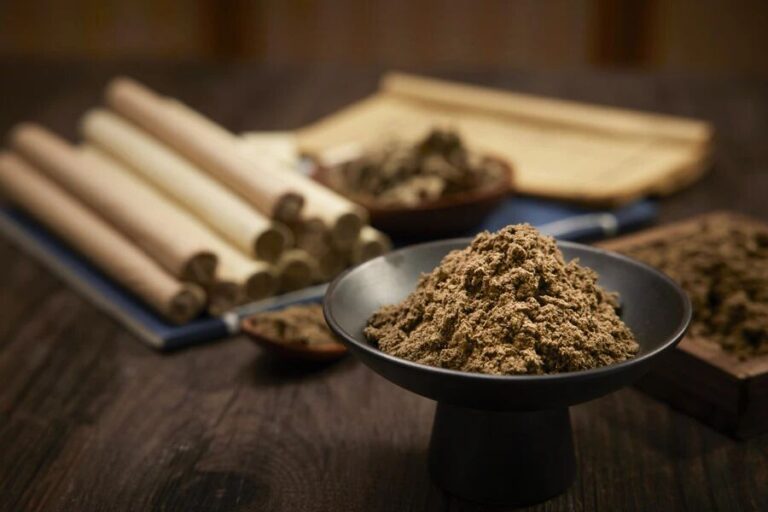
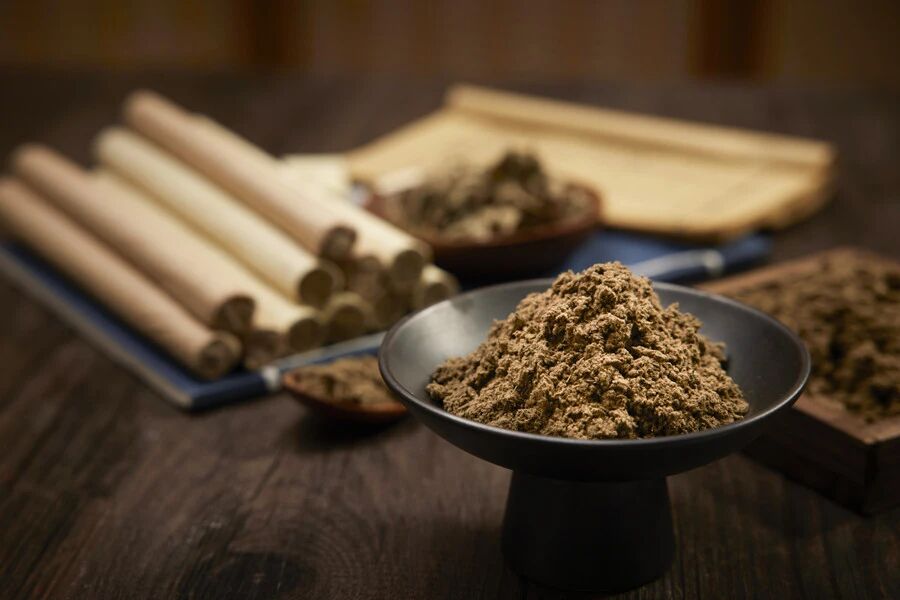
The color of the mugwort fluff inside is one of the most immediate quality indicators. High-quality aged mugwort fluff appears earthy yellow or golden-yellow — a sign that it has been properly processed and stored. Inferior fluff tends to look greenish, or bluish-black, often with visible stem particles and coarse texture.
Freshly harvested (un-aged) mugwort is naturally greenish-blue or bluish-black, which is why aged moxa is considered superior for home moxibustion.
2. Aroma: Fragrant vs. Pungent
Smell the moxa before you use it. Premium mugwort has a mild, pleasant, herbaceous fragrance — this reflects good aging and proper processing. Inferior moxa often smells sharp, overpowering, or even slightly moldy, indicating poor storage or low-grade raw material.
If a moxa stick smells acrid before it’s even lit, that’s a clear warning sign.
3. Texture: Soft and Smooth Wins
Run the fluff between your fingers. High-quality mugwort fluff feels soft, fine, and smooth, almost like cotton wool. Low-quality fluff feels coarse and gritty, with noticeable stem fragments and fibrous debris mixed in.
The finer the texture, the higher the purity of the mugwort — and the cleaner the burn you’ll get.
4. Compactness: Hold Together Under Pressure
A good moxa stick should be firmly rolled. High-quality sticks have tightly packed ends and consistent density throughout. Even if you carefully remove the outer paper wrapping, the roll should hold its shape without completely falling apart.
Low-quality sticks tend to be loosely packed — remove the paper and they crumble. Loose rolls burn unevenly, produce inconsistent heat, and make for a frustrating experience.
5. Heat Feel: Gentle Penetration, Not Burning Pain
During use, premium moxa produces gentle, warm heat that feels like it penetrates deeply into the acupoint — a sensation experienced practitioners describe as “going through the skin.” The heat is comfortable and sustained.
Inferior moxa tends to generate harsh, surface-level heat that feels aggressive and can cause a burning or stinging sensation. If moxibustion is uncomfortable rather than relaxing, the quality of your moxa may be the problem.
6. Burn Rate: Steady and Even
High-quality moxa, being finer and purer, actually burns at a faster and more consistent rate than low-grade moxa. The flame is steady and the ember glows evenly across the tip.
Low-quality moxa burns irregularly — one side may char faster than the other, or it may keep going out and requiring re-lighting. Uneven burning means uneven therapy.
7. Ash Color and Texture: The Final Test
This is one of the most reliable quality tests. After burning, examine the ash:
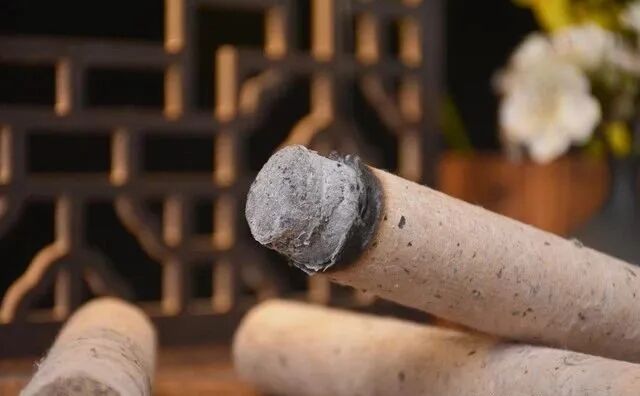
- High-quality moxa: produces pale, grayish-white ash that feels fine and smooth, holds its shape, and doesn’t scatter easily. The smoke is mild and light-colored.
- Low-quality moxa: produces dark, coarse, granular black-gray ash that crumbles and scatters. The smoke tends to be thick, heavy, and pungent.
If your ash is dark and your smoke is harsh, it’s a strong sign your moxa sticks contain impurities or un-aged mugwort.
Understanding Mugwort Ratios: The 5:1, 8:1, 10:1, 30:1 System
You’ll often see moxa sticks labeled with a ratio like 5:1, 8:1, 10:1, or 30:1. This is the processing ratio — essentially how many kilograms of raw mugwort were refined down to 1 kilogram of usable fluff.
A higher ratio means more refinement, finer fluff, and higher quality:
- Higher ratio = finer texture, lighter smoke, gentler heat, better penetration
- Lower ratio = coarser fluff, heavier smoke, harsher burn
For most home users, an 8:1 or 10:1 ratio offers a good balance of quality and affordability. Advanced practitioners or those with sensitive skin may prefer 15:1 or higher.
Moxa Quality Grade Comparison Table
Here’s a quick side-by-side comparison of what to expect at different quality levels:
| Quality Level | Typical Ratio | Color | Texture | Heat Feel | Ash | Best For |
|---|---|---|---|---|---|---|
| Basic | 3:1 – 5:1 | Green-black | Coarse, stemmy | Harsh, surface | Dark gray, scattered | Casual use, budget-conscious |
| Standard | 8:1 – 10:1 | Yellow-green | Medium, some fibers | Warm, moderate penetration | Gray-white, holds shape | Regular home practice |
| Premium | 15:1 – 20:1 | Golden yellow | Fine, soft | Gentle, deeply penetrating | Pale white, fine | Sensitive users, therapeutic use |
| Professional | 30:1+ | Deep golden | Ultra-fine, cotton-like | Very mild, maximum penetration | Pure white, minimal scatter | Practitioners, chronic conditions |
How Moxa Quality Affects Your Moxibustion Results
It’s worth emphasizing: the quality of your moxa directly affects the effectiveness of your session. Higher-grade mugwort delivers more therapeutic heat with fewer irritants — which is why experienced practitioners consistently choose aged, refined moxa over cheaper alternatives.
If you’re new to moxibustion, starting with a standard 8:1 or 10:1 product is a sensible choice. Once you’re comfortable with the practice, upgrading to premium moxa is a worthwhile investment in your health routine.
For a complete overview of moxa types — including smokeless options and specialty products — see our guide: Smokeless vs Traditional Moxa Sticks: Which Should You Choose?
Where to Buy High-Quality Moxa Sticks
Knowing how to identify quality is only half the battle — you also need to know where to shop. For trusted sourcing tips, check out our dedicated guide: Where to Buy Moxa Sticks: A Practical Guide.
If you’re just getting started with moxibustion altogether, our beginner’s resource covers everything you need: Moxibustion at Home: A Beginner’s Complete Guide.
Frequently Asked Questions
What ratio moxa stick is best for beginners?
An 8:1 or 10:1 ratio is ideal for most beginners. It offers noticeably better quality than basic-grade moxa without the higher cost of professional-grade products. The heat is gentle and manageable for new practitioners.
Can I tell quality just by looking at the packaging?
Partially. Reputable brands will clearly state the mugwort ratio on the label. However, packaging alone isn’t always reliable — always check the color, texture, and aroma of the moxa itself when possible.
Why does my moxa smell so strong?
A very strong, pungent smell usually indicates low-grade or freshly harvested (un-aged) mugwort. Aged, high-quality moxa has a much milder, pleasant herbaceous scent. The strong odor comes from impurities and residual stems still present in the fluff.
Is smokeless moxa better quality than traditional moxa?
Not necessarily — they are different products with different use cases. Smokeless moxa is made from compressed charcoal-mugwort blend and produces less visible smoke, which makes it more practical for indoor use. Traditional moxa delivers a more authentic therapeutic experience. For a detailed comparison, see: Smokeless vs Traditional Moxa Sticks.
How should I store moxa sticks to preserve quality?
Keep moxa sticks in a cool, dry place away from direct sunlight and moisture. Store them in an airtight container if possible. Proper storage prevents mold, maintains the aroma, and ensures consistent performance when you use them.