Smokeless vs Traditional Moxa Sticks: Which Should You Choose?
When you first start exploring moxibustion, one of the most common questions is simple: should I use smokeless or traditional moxa sticks? Both types are widely available, both deliver genuine therapeutic heat — but they are not the same. The differences in smoke, scent, heat quality, and effectiveness matter, especially if you are practicing at home.
This guide breaks down exactly what sets these two types apart, compares them head-to-head, and helps you decide which is the better fit for your situation. If you are brand new to moxibustion, you may also want to read our complete beginner’s guide to moxibustion at home first.
What Are Traditional Moxa Sticks?
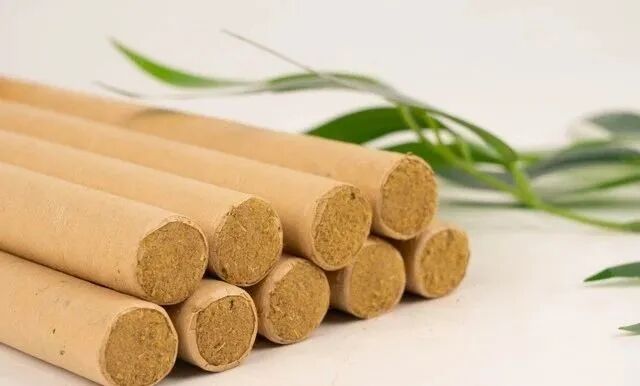
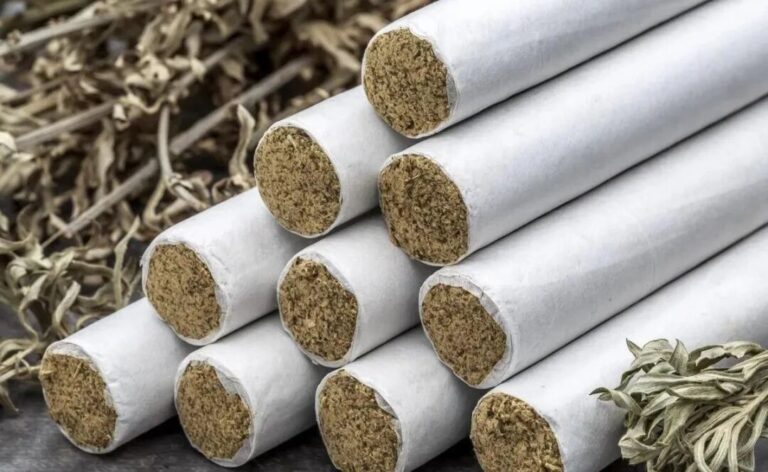
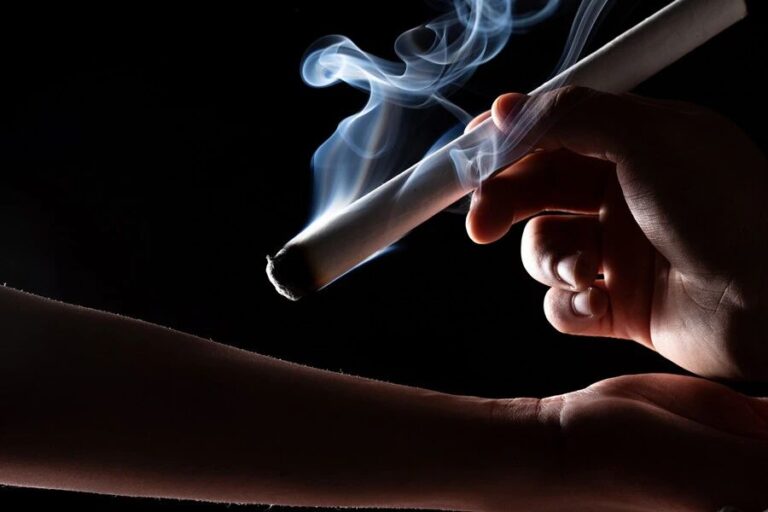
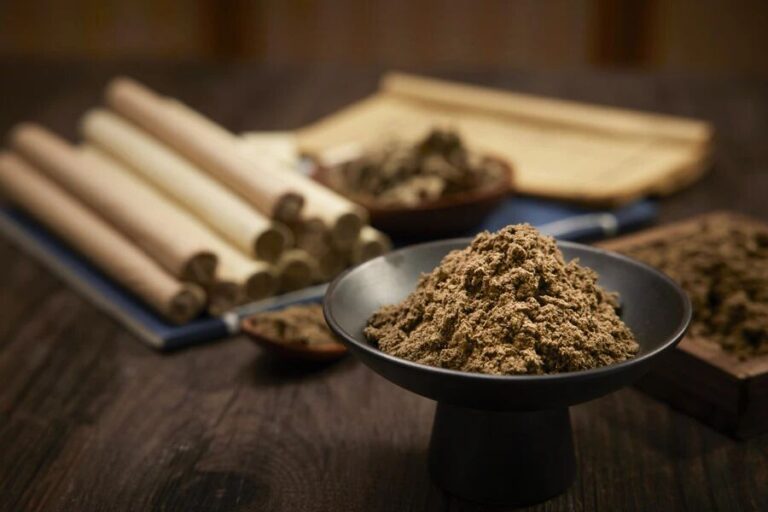
Traditional moxa sticks — also called moxa rolls or mugwort rolls — are made from tightly compressed, dried mugwort (Artemisia argyi). The mugwort is aged, processed, and rolled into a firm cylinder that looks like a large, thick cigar. You light one end and hold it near the skin, where it smolders and produces steady, penetrating heat.
Traditional moxa sticks are the form most closely aligned with classical Chinese medicine. High-quality traditional sticks are graded by the ratio of pure mugwort they contain — the higher the grade (e.g., 3:1, 5:1, 10:1, or even 30:1 aged mugwort), the purer, more fragrant, and more effective the stick. The ratio refers to how many kilograms of raw material were refined down to produce one kilogram of moxa wool.
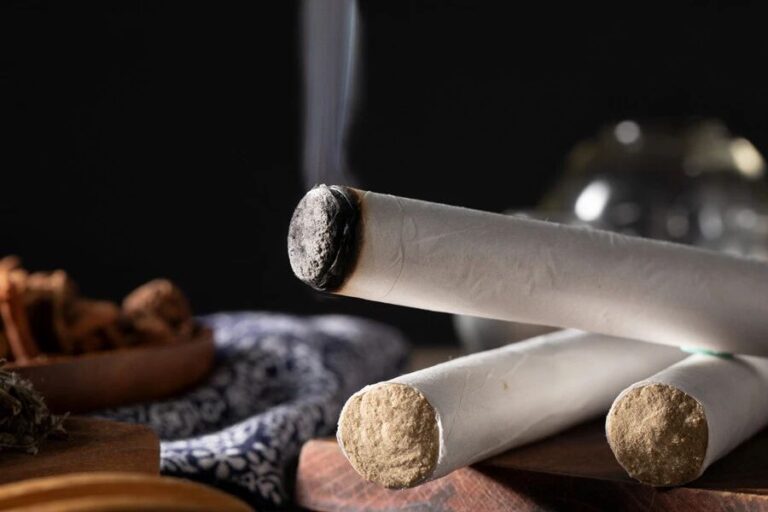
When burned, traditional moxa produces a distinctive aromatic smoke and a soft golden flame. The smoke carries the volatile oils from the mugwort plant, which many TCM practitioners believe are part of the therapeutic mechanism — not just a byproduct.
What Are Smokeless Moxa Sticks?
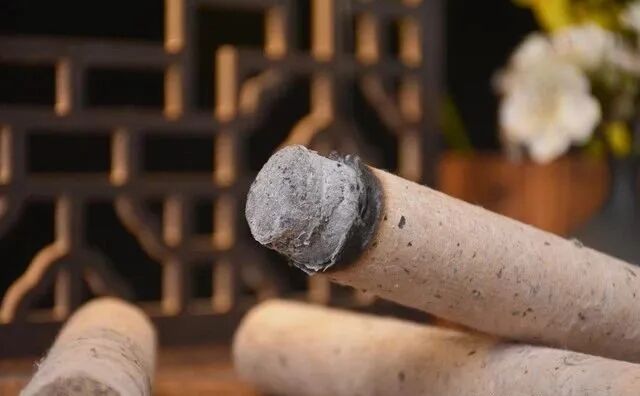
Smokeless moxa sticks are made from carbonized mugwort. The plant material is processed at high heat (charcoal-like carbonization) to remove most of the volatile compounds that produce smoke and odor. The result is a stick that burns with minimal visible smoke and little of the characteristic mugwort aroma.
Smokeless moxa was developed as a practical solution for people who are smoke-sensitive, live in apartments with poor ventilation, or work in clinical settings where smoke would be inappropriate. The sticks are typically darker in color — grey or black — compared to the golden-brown of traditional sticks.
It is important to understand that “smokeless” does not mean “smoke-free.” These sticks still produce some smoke, particularly when first lit. They simply produce significantly less smoke than traditional sticks, making them much more tolerable in enclosed spaces.
Smokeless vs Traditional: A Side-by-Side Comparison
Here is a direct comparison across the most important factors:
| Factor | Traditional Moxa Sticks | Smokeless Moxa Sticks |
|---|---|---|
| Smoke level | High — significant aromatic smoke | Low — minimal smoke output |
| Scent | Strong, earthy, herbaceous aroma | Mild or nearly odorless |
| Heat quality | Deep, penetrating, moist warmth | Dry, concentrated surface heat |
| Effectiveness | Considered more therapeutically complete by most TCM practitioners | Effective for surface warming; less ideal for deep conditions |
| Burn time | 60–90 minutes per stick | 45–75 minutes per stick |
| Ease of lighting | Lights easily, stays lit well | Can be harder to light; may need longer ignition |
| Price | Generally more affordable | Slightly more expensive |
| Best for | Home use with ventilation, clinical use, deep conditions | Apartments, offices, smoke-sensitive individuals |
Pros and Cons of Traditional Moxa Sticks
Pros
- Deeper heat penetration. The warmth from traditional moxa is often described as “moist” and deeply penetrating — it feels like it reaches into the muscle and joint rather than just warming the surface. This quality is valued for conditions like joint stiffness, cold-type pain, and digestive weakness.
- Full-spectrum therapeutic effect. Traditional moxa contains the complete volatile oil profile of mugwort. Many TCM practitioners believe these oils — including cineole (eucalyptol) and borneol — contribute directly to moxibustion’s anti-inflammatory and circulation-supporting effects.
- Better for the classic scent experience. The aroma of burning mugwort has a distinctive, grounding quality that many practitioners find calming and conducive to the meditative state often associated with moxibustion.
- More affordable. Traditional sticks of comparable size are usually less expensive than smokeless alternatives.
- Widely available in multiple grades. You can find everything from basic quality (1:1 ratio) to premium aged moxa (30:1 or higher). The grading system is well-established and easy to navigate once you know what to look for. See our guide on how to identify high-quality moxa sticks.
Cons
- Significant smoke. This is the main drawback. Traditional moxa fills a room with smoke quickly, which is problematic in small apartments, shared living spaces, or for people with respiratory sensitivities.
- Lingering scent. The smell clings to fabrics, curtains, and hair for hours. While many find it pleasant, it can be a problem in some living situations.
- Not suitable for all environments. Smoke alarms, ventilation restrictions, or housemates can make traditional moxa impractical.
Pros and Cons of Smokeless Moxa Sticks
Pros
- Far less smoke. The most obvious advantage. Smokeless moxa can be used in smaller rooms or apartments with basic window ventilation, making it far more practical for modern urban living.
- Minimal odor. No lingering smell on clothes or furniture. This matters significantly for people who share their living space or work in professional settings.
- Still delivers therapeutic heat. While the full volatile oil spectrum is reduced, the thermal stimulation remains effective for general wellness, mild chronic conditions, and beginners exploring moxibustion for the first time.
- Easier to use discreetly. Whether in a studio apartment or a treatment room shared with non-moxa practitioners, smokeless sticks let you practice without impacting others.
Cons
- Reduced therapeutic depth. The carbonization process that removes volatile compounds also removes some of the bioactive oils believed to contribute to moxibustion’s full therapeutic effect. For deep-penetrating conditions, traditional moxa is generally considered superior.
- Harder to light. Smokeless sticks can be stubborn to ignite properly. You typically need to hold a lighter to them for 15–20 seconds longer than traditional sticks, and the ember may need more time to stabilize before use.
- Slightly higher price. The manufacturing process is more complex, which tends to be reflected in the retail price.
- Not truly smoke-free. Some users are disappointed to discover that smokeless moxa still produces noticeable smoke when first lit or when burning in a poorly ventilated space. It is a significant reduction, not an elimination.
What Does the Research Say?
There is limited direct scientific comparison between smokeless and traditional moxa sticks in terms of therapeutic outcome. Most clinical studies on moxibustion use traditional moxa or do not distinguish between the types.
However, we do know a few things from the research:
- The volatile compounds in mugwort smoke — particularly artemisinin, cineole, and borneol — have demonstrated anti-inflammatory and circulatory effects in laboratory studies.
- The thermal mechanism (infrared heat stimulation of acupoints) is shared between both types, which means the heat-based component of moxibustion efficacy should be comparable.
- One study published in the Journal of Traditional Chinese Medicine found that infrared radiation spectra from traditional moxa closely match the biological emission spectrum of the human body — a property that may be partially reduced in carbonized smokeless moxa.
The honest summary: traditional moxa is considered the “complete” treatment, while smokeless moxa is a practical and still-effective alternative, particularly for general wellness purposes. For deep, chronic, cold-type conditions, most experienced practitioners recommend traditional moxa when ventilation allows.
Which Type Is Right for You?
The best choice depends on your specific situation. Use this decision guide:
Choose traditional moxa sticks if:
- You have good ventilation (a window you can open, or a garden/outdoor space)
- You are treating a deep or chronic condition (joint pain, cold-type digestive issues, chronic fatigue)
- You want the full TCM experience and believe the aromatic components matter
- You are cost-conscious and want to maximize burn time per stick
- No one in your household is sensitive to smoke or strong scents
Choose smokeless moxa sticks if:
- You live in an apartment with limited ventilation
- You or someone in your home has respiratory sensitivities or asthma
- You want to practice without leaving a strong lingering scent
- You are new to moxibustion and want a gentler introduction
- You use moxibustion primarily for general wellness and relaxation rather than a specific condition
Consider trying both: Many regular practitioners keep both types on hand. Traditional moxa for their main treatment sessions (when conditions allow), and smokeless moxa for quick maintenance sessions or when ventilation is limited. There is no rule that says you have to pick just one.
Not sure which products to start with? Check out our guide on where to buy moxa sticks, and learn how to evaluate quality before you purchase by reading how to identify high-quality moxibustion sticks.
Frequently Asked Questions
Is smokeless moxa less effective than traditional moxa?
For general wellness and surface-level warming, smokeless moxa is effective and a practical choice. For deep-penetrating conditions (chronic joint pain, cold-type digestive conditions), traditional moxa is generally considered more therapeutically complete because it retains the full volatile oil profile of mugwort.
Does smokeless moxa really produce no smoke?
No — “smokeless” is somewhat misleading. These sticks produce significantly less smoke than traditional moxa (roughly 70–80% less), but they are not entirely smoke-free, especially when first lit. Good ventilation is still recommended.
Can I switch between the two types?
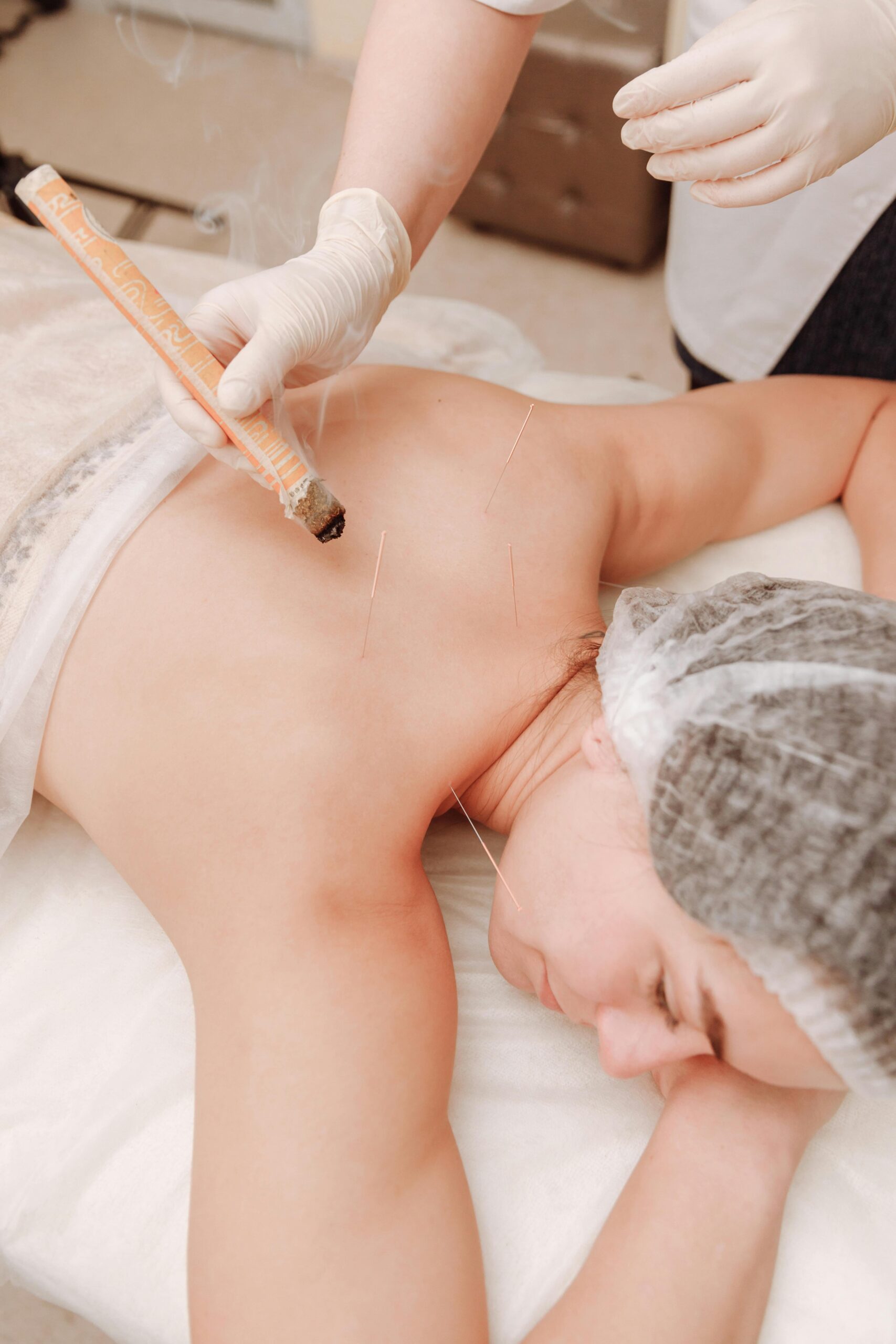
Absolutely. Many practitioners use both depending on the situation. There is no compatibility issue — you use both exactly the same way (2–3 cm from the skin, same techniques, same acupoints).
How do I light a smokeless moxa stick?
Hold a lighter flame directly to the tip for 15–20 seconds (longer than a traditional stick). The tip should glow red and begin to smolder. Some practitioners use a candle flame or a dedicated moxa lighter for easier ignition.
Are there other types of moxa besides these two?
Yes — there are also moxa cones, loose moxa wool, moxa boxes, and mini moxa sticks. Each has different applications. For a complete overview of all moxa product types, read our guide on how moxa sticks work.
Ready to Start?
Whether you go with traditional or smokeless moxa, the most important thing is to begin. Both types deliver genuine therapeutic heat, and consistent practice matters far more than which type you choose.
New to moxibustion? Start here: Moxibustion at Home: A Beginner’s Complete Guide »
Want to learn more about technique and safety before you start? Read our detailed guide on how to use Chinese moxibustion step by step.