How to Use Chinese Moxibustion: A Step-by-Step Guide
What Is Chinese Moxibustion? A Quick Overview
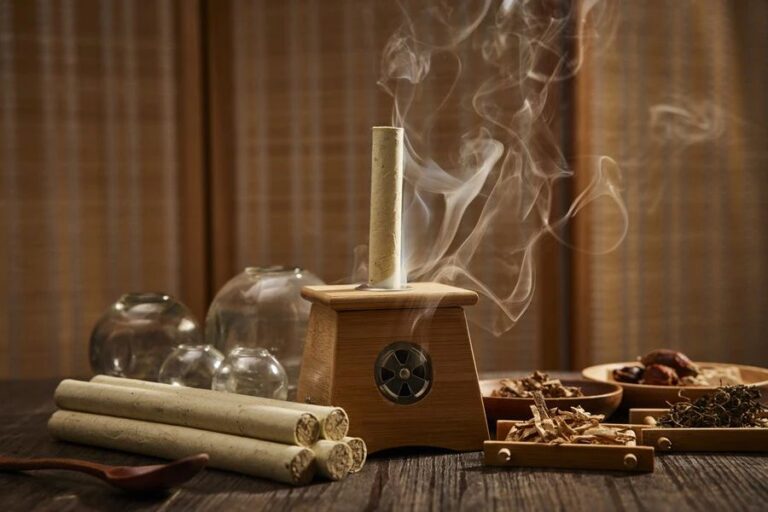
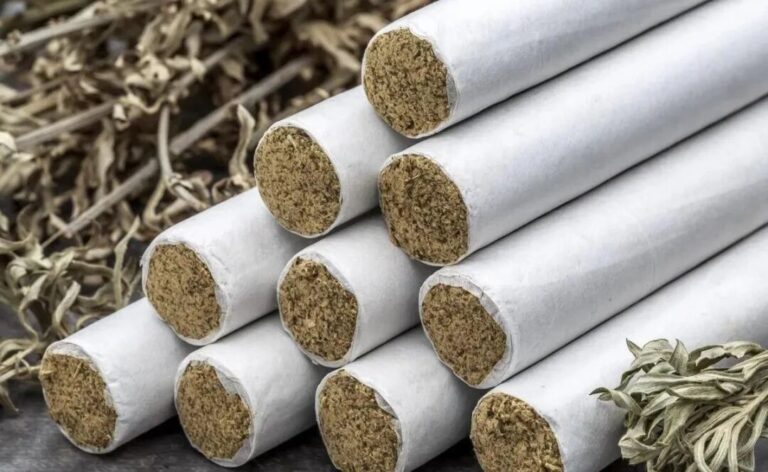
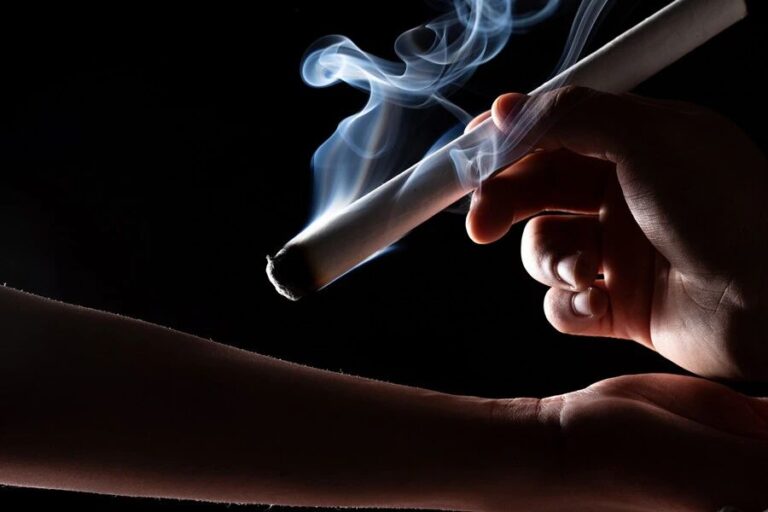
Chinese moxibustion (艾灸, àijiǔ) is a time-honored healing practice from Traditional Chinese Medicine (TCM) that involves burning dried mugwort (Artemisia argyi) near specific points on the body. The gentle, penetrating heat stimulates circulation, warms the meridians, and supports the body’s natural healing processes.
Moxibustion has been practiced for over 2,500 years and was recognized by UNESCO as part of the Intangible Cultural Heritage of Humanity in 2010. Today, it is widely used not only in China but also in wellness centers and homes around the world.
If you are new to moxibustion and want a complete beginner’s guide to getting started at home, read our Moxibustion at Home: A Beginner’s Complete Guide.
4 Classic Moxibustion Techniques You Should Know
Before you begin, it is helpful to understand the four classic moxibustion techniques. Each has its own application and level of difficulty:
1. Gentle (Static) Moxibustion
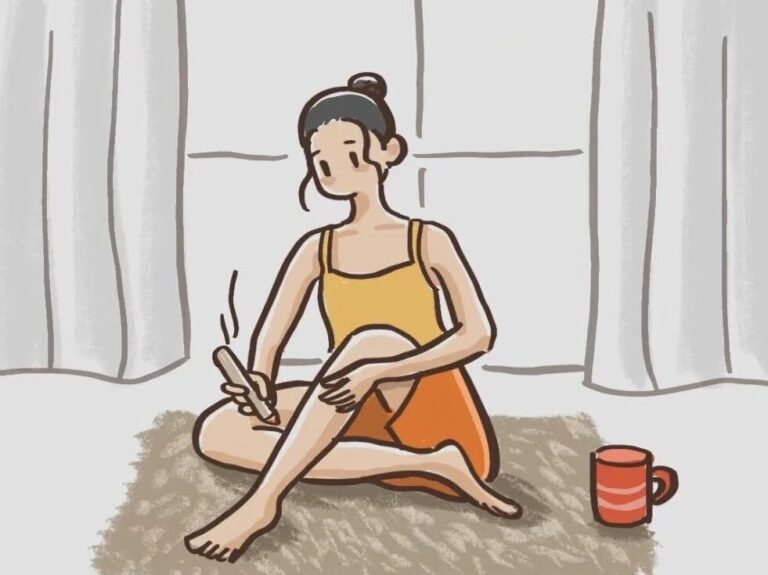
This is the most beginner-friendly technique. You hold the lit moxa stick steadily about 2–3 cm above the skin and maintain a consistent distance. The goal is a pleasant, deep warmth without any burning sensation. Gentle moxibustion is ideal for home use and for treating general wellness points like Zusanli (ST36).
2. Sparrow-Peck Moxibustion
In this technique, you move the moxa stick quickly toward and away from the skin — like a sparrow pecking at food. The stick touches the skin briefly (or comes very close) and then pulls back. This creates a rapid warming effect and is often used for acute conditions or when stronger stimulation is needed.
3. Rotating (Circular) Moxibustion
Here, you move the moxa stick in small circles above the acupoint, covering a slightly larger area than gentle moxibustion. The circular motion distributes heat more evenly and is useful for treating broader areas like the lower abdomen or the back.
4. Warm Needle Moxibustion
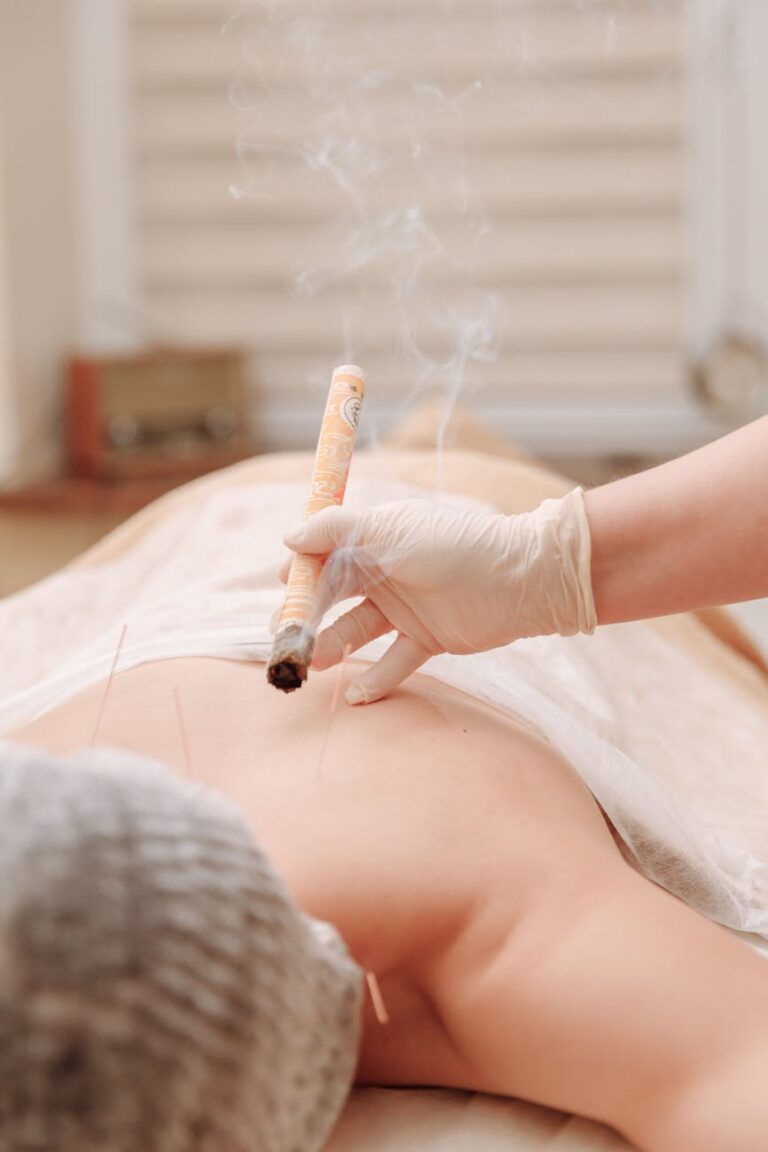
This advanced technique combines acupuncture with moxibustion. An acupuncture needle is inserted into the acupoint, and a small piece of moxa is placed on the needle handle and lit. The heat travels down the needle into the body. Note: This technique should only be performed by a licensed practitioner and is not recommended for home use.
How to Perform Moxibustion at Home: 7 Essential Steps
Once you understand the techniques, follow these seven essential steps to perform moxibustion safely and effectively at home.
Step 1: Get Into a Comfortable Position
Sit or lie down in a relaxed position. Make sure the acupoints you plan to treat are fully exposed and accessible. The position should be stable and comfortable enough to maintain for 15–20 minutes. If you are treating your back, lying on your stomach or sitting with back support works well. For abdominal points, lying on your back is most comfortable.
Step 2: Select the Right Acupoints
Choose fewer but essential points. For beginners, we recommend starting with 3–5 safe, easy-to-find acupoints such as Zusanli (ST36), Guanyuan (CV4), and Shenque (CV8). Avoid treating too many points in a single session. Quality matters more than quantity. For a list of beginner-friendly acupoints with exact locations, see our beginner’s guide to moxibustion at home.
Step 3: Maintain the Correct Distance
Position the burning end of the moxa stick approximately 2–3 cm (about 1 inch) above the target acupoint or affected area. You should feel a deep, pleasant warmth — never sharp heat or pain. If the sensation becomes too hot, move the stick slightly farther away. Learn more about moxibustion timing and distance guidelines.
Step 4: Follow the Proper Moxibustion Sequence
Traditional Chinese Medicine recommends a specific sequence for moxibustion sessions:
- Upper body before lower body — start with points on the upper back, chest, or head before moving to the lower abdomen and legs.
- Back before abdomen — if treating both back and abdominal points, start with the back.
- Head and face before limbs — prioritize the upper body.
- Yang meridians before Yin meridians — yang points (back, outer limbs) are treated before yin points (chest, inner limbs).
Following this sequence helps the body’s energy (qi) flow smoothly and avoids overstimulating any one area.
Step 5: Choose the Right Treatment Areas
Moxibustion is most commonly applied to the back, abdomen, and limbs. These areas have thick muscle layers and are not frequently exposed, so minor redness is less noticeable. For internal organ health, TCM practitioners primarily use Shu points (on the back) and Mu points (on the abdomen), as these correspond to specific organs.
Step 6: Time Your Sessions Correctly
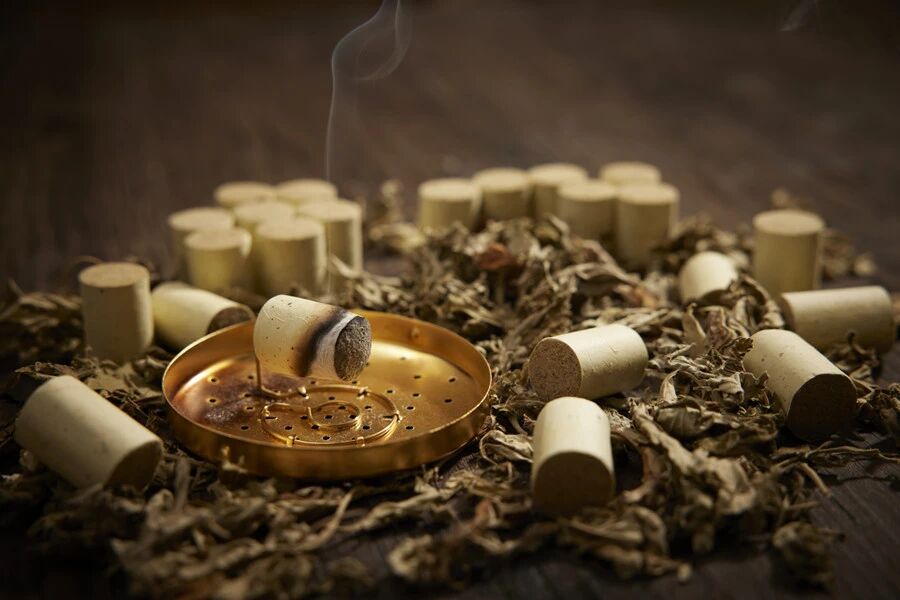
Each acupoint typically receives 5–10 minutes of moxibustion. A full session covering 3–5 points lasts about 20–30 minutes. You will know the point has been adequately treated when the skin shows a mild red flush. For most wellness purposes, a course of treatment consists of 7–10 daily sessions, followed by a rest period. For detailed timing guidance, read our article on moxibustion time requirements and how long to use moxa.
Step 7: Determine the Right Intensity
The ideal intensity is when the local area turns flushed and you feel a mild warmth spreading through the body — sometimes described as a sensation of “qi” circulating. You may develop a light sweat, which is normal. Avoid over-treating; if the skin becomes dark red or feels painful, you have gone too far. Stop immediately and let the area rest.
Safety Precautions When Using Moxibustion
Moxibustion is safe for home use when you follow basic safety rules:
- Never leave burning moxa unattended. The stick can produce falling ash or, in rare cases, ignite nearby materials.
- Use a moxa extinguisher. Do not blow out the moxa stick or dip it in water. A metal extinguisher cuts off oxygen safely and allows reuse.
- Ensure good ventilation. Traditional moxa produces smoke. Open a window or use a fan on low to keep air fresh without creating a draft on your body.
- Avoid moxibustion on broken skin. Do not apply heat to areas with cuts, rashes, or skin conditions.
- Do not use moxibustion during pregnancy without consulting a licensed TCM practitioner. Certain acupoints (such as Hegu LI4 and Sanyinjiao SP6) are traditionally contraindicated during pregnancy.
- Wait after meals. Wait at least one hour after a full meal before a moxibustion session. For more on what to avoid after a session, read what not to do after moxibustion.
Frequently Asked Questions
Can I do moxibustion every day?
For general wellness, 2–3 sessions per week is sufficient. For addressing a specific concern, daily sessions for 5–7 days (followed by a rest) may be appropriate. Read our detailed guide on whether you can do moxibustion every day.
How do I know if moxibustion is working?
Many people feel a warming sensation and deep relaxation immediately. For chronic conditions, noticeable improvements typically appear after 5–10 sessions over 2–3 weeks. Consistency is more important than intensity.
What should I do after a moxibustion session?
Rest for 10–15 minutes, drink warm water, and avoid cold drinks, cold showers, or strenuous exercise for at least 2 hours. Dive deeper into post-moxibustion care guidelines.
Can children receive moxibustion?
Yes, children over 3 years old can safely receive moxibustion, but sessions should be shorter (5–10 minutes total) and the moxa stick should be held farther from the skin (3–4 cm). Always supervise children and consult a pediatric TCM practitioner first.
Ready to Start Your Moxibustion Practice?
Moxibustion is a simple, accessible way to support your health and well-being at home. With the right tools, proper technique, and a focus on safety, you can begin experiencing the benefits of this ancient practice.
Read our complete beginner’s guide to moxibustion at home »
Looking for high-quality moxa sticks and accessories? See our guide on where to buy moxa sticks and how to identify high-quality moxa products.