What is moxibustion used to treat?
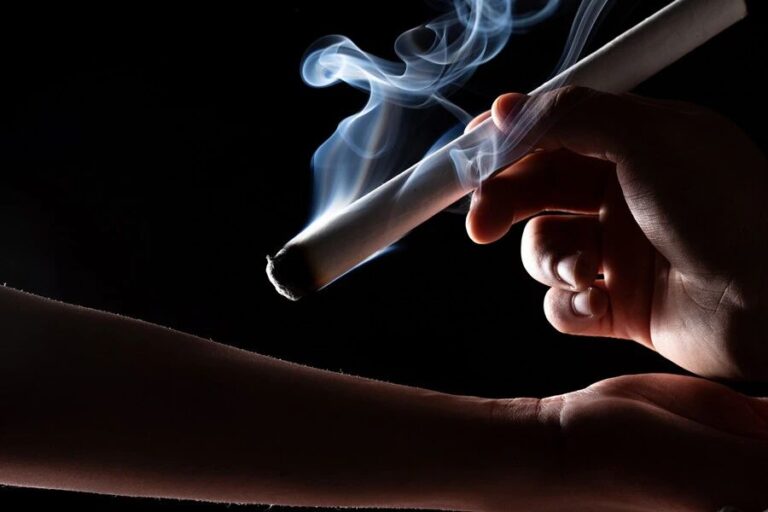
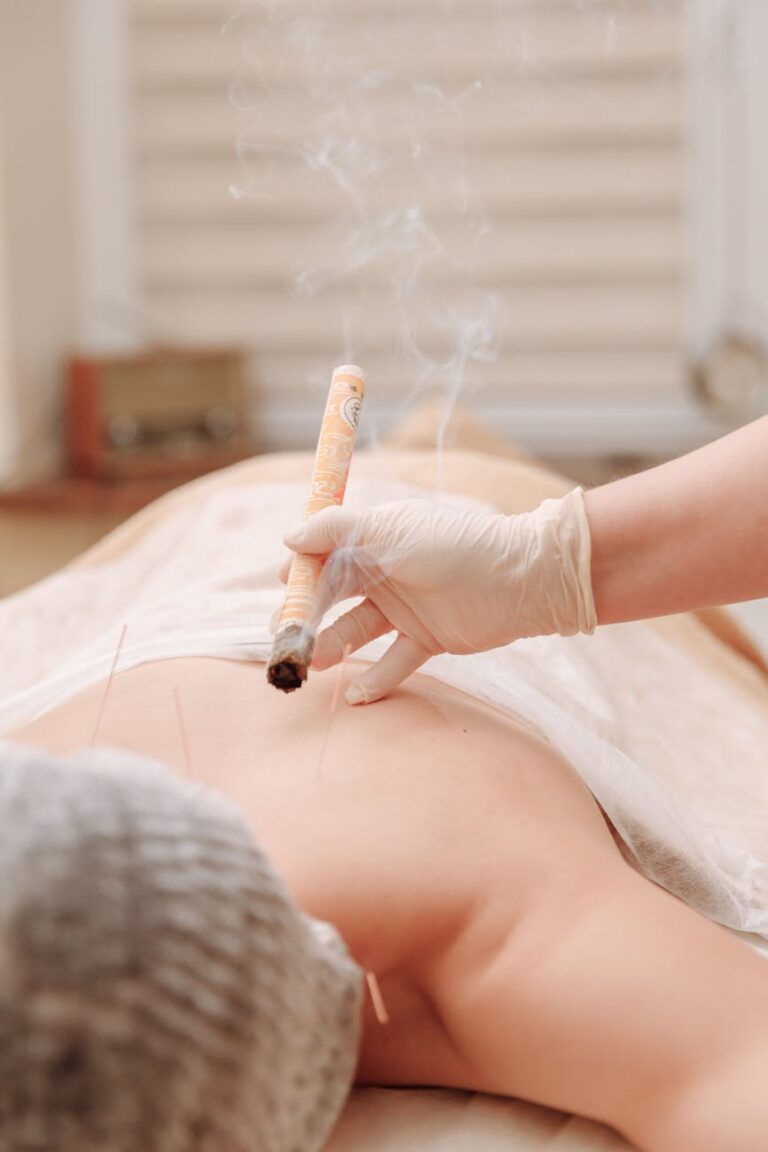
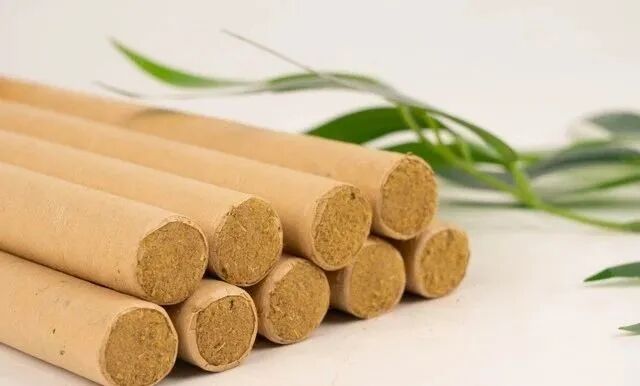
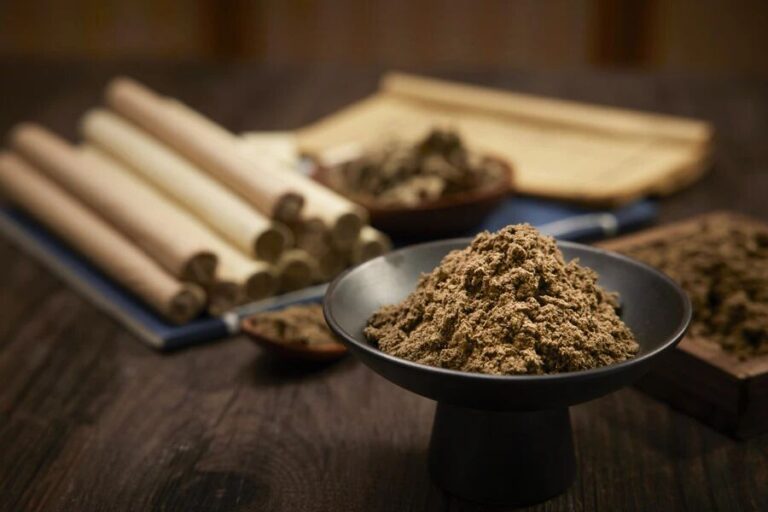
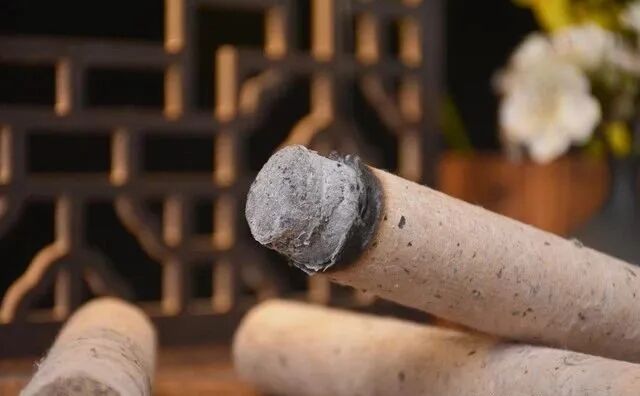
Moxibustion is a traditional Chinese medical therapy that utilizes moxa pellets or sticks made from mugwort leaves. When ignited, the resulting warmth and specific medicinal properties stimulate the body’s meridians and acupoints to achieve effects such as warming and unblocking meridians, harmonizing qi and blood, and strengthening the body while expelling pathogens.
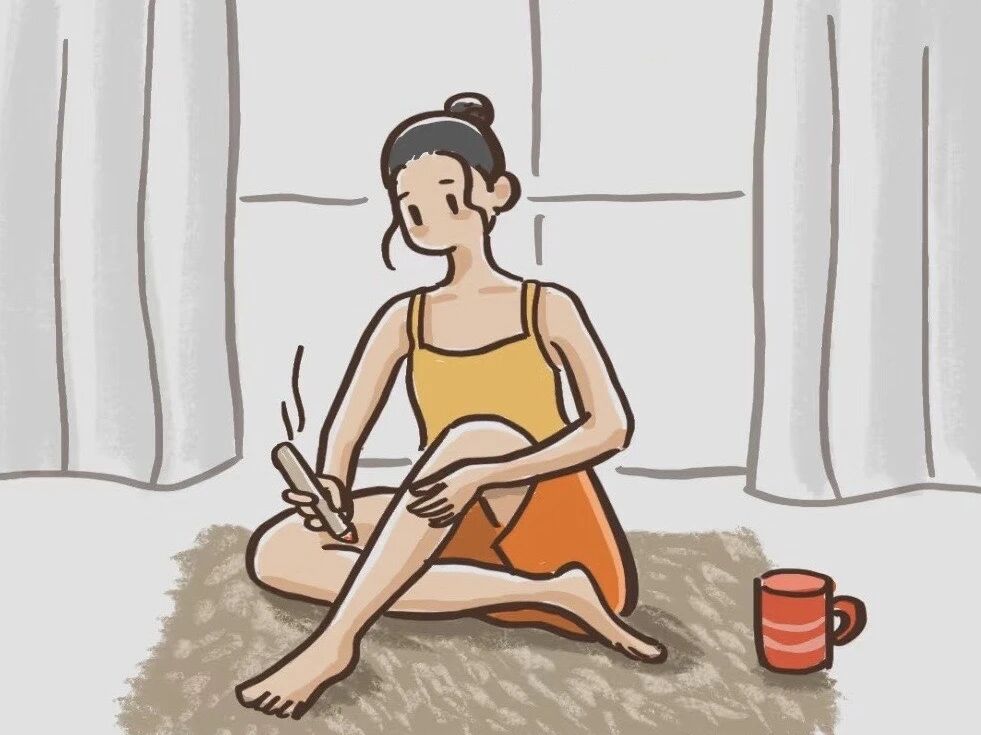
From a traditional Chinese medicine perspective, the meridian system serves as pathways for the circulation of qi and blood. When these channels are unobstructed, qi and blood nourish all internal organs and tissues, sustaining normal physiological functions. The warmth generated by moxibustion acts like heating the meridians, dispelling cold pathogens within the body, promoting qi and blood circulation, and restoring flow to stagnant meridians.
Indications for Moxibustion: These Issues May Benefit from Moxibustion
1. Cold-Deficiency Stomach Pain
For dull epigastric pain, preference for warmth and pressure, poor appetite, and abdominal distension caused by spleen-stomach deficiency-cold, moxibustion on points such as Zhongwan (CV12) and Zusanli (ST36) can warm the spleen and stomach, dispel cold, relieve pain, and restore digestive function.
2. Cold-Type Dysmenorrhea
Many women experience cold pain in the lower abdomen during menstruation, which eases with warmth. Moxibustion on acupoints such as Guanyuan (CV4), Qihai (CV6), and Sanyinjiao (SP6) can warm the uterus, dispel cold pathogens, alleviate menstrual cramps, and regulate the menstrual cycle.
3. Wind-Cold Common Cold
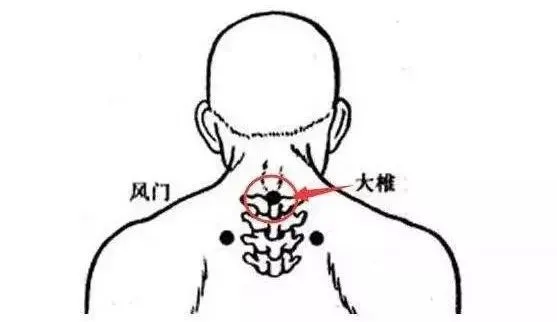
During the early stages of a cold, when symptoms like nasal congestion, clear nasal discharge, and aversion to cold appear, moxibustion on acupoints such as Dazhui (GV14) and Fengmen (BL12) can help the body expel external pathogens and dispel cold. This stimulates the body’s own resistance, alleviates cold symptoms, and accelerates recovery.
4. Chronic Bronchitis
Moxibustion applied to acupoints such as Feishu (BL13) and Zhanzhong (ST21) can warm the lungs, transform phlegm, relieve coughing, and alleviate wheezing. This treatment improves symptoms like coughing, phlegm production, and shortness of breath in chronic bronchitis patients, enhances lung function, and reduces the frequency of disease flare-ups.
5. Rheumatoid Arthritis
Moxibustion warms and unblocks meridians while dispelling cold and dampness. It significantly alleviates symptoms like joint pain, swelling, and restricted mobility in rheumatoid arthritis patients. Consistent long-term moxibustion can also slow the progression of joint degeneration.
6. Insomnia
Moxibustion on acupoints such as Shenmen (PC6), Neiguan (PC6), and Sanyinjiao (SP6) regulates nervous system function, calms the mind, and helps improve issues like insomnia, vivid dreams, and difficulty falling asleep, thereby enhancing sleep quality.
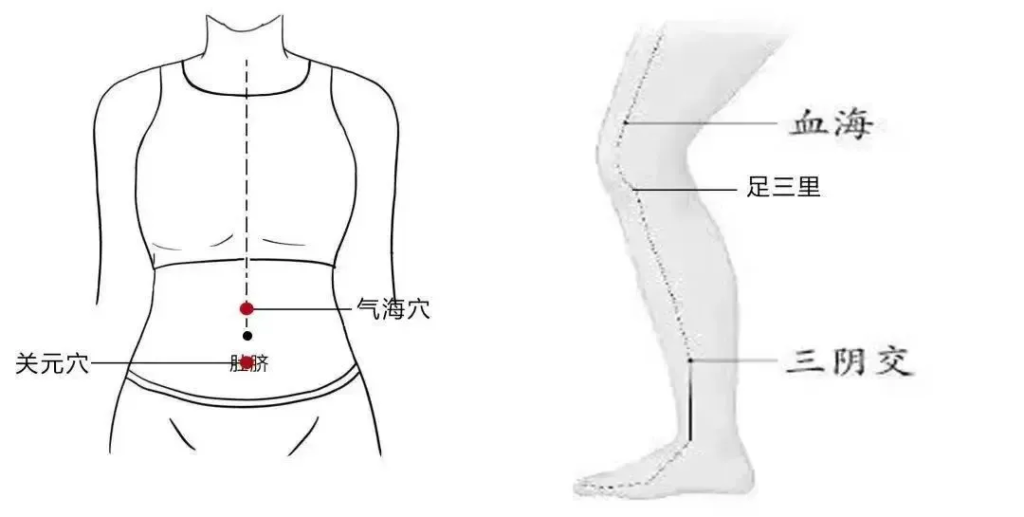
Moxibustion not only treats illnesses but also offers significant health preservation benefits. Regular moxibustion on acupoints such as Zusanli (ST36), Guanyuan (CV4), and Qihai (CV6) can nourish vital energy, strengthen physical constitution, and enhance the body’s immunity. This approach achieves the effect of “preventing illness before it occurs,” helping maintain overall health.