Quality of Moxibustion Sticks
|

Identifying the Quality of Moxibustion Sticks

You can assess the quality of moxa sticks by examining the following aspects:

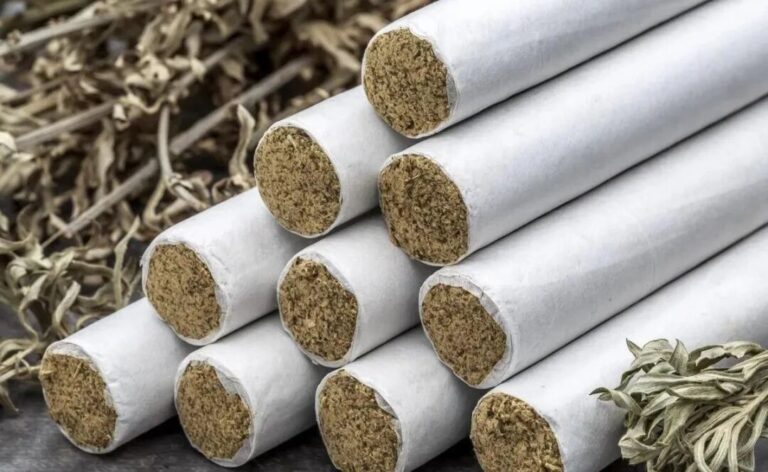
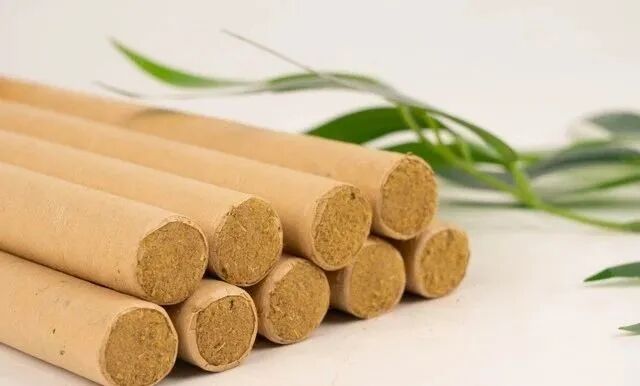
1. Check the color: High-quality mugwort fluff appears earthy yellow, while inferior fluff is greenish or bluish-black with large stem particles. Freshly harvested mugwort fluff is greenish-blue or bluish-black with a strong scent.

2. Smell the aroma: Premium mugwort fluff has a mild, fragrant scent. Inferior fluff has an overpowering, pungent odor, sometimes even moldy.
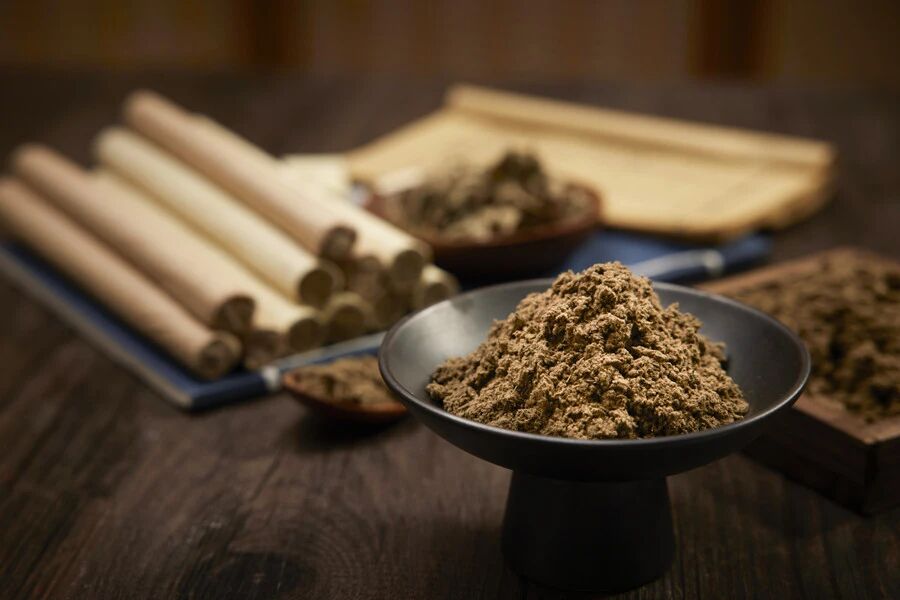
3. Feel the texture: High-quality mugwort fluff feels soft and smooth, while low-quality fluff has a coarse texture.

4. Check compactness: High-quality moxa sticks hold together well, with tightly packed ends and good density. Even after removing the wrapping paper, they won’t completely disintegrate, ensuring even burning and more effective moxibustion. Low-quality sticks have loose packaging; removing the paper causes them to fall apart, resulting in uneven burning and inconsistent medicinal effects.

5. Feel the heat: High-quality moxa sticks emit gentle, non-aggressive heat with strong penetration. Inferior sticks produce harsh, intense heat with weak penetration, often causing burning pain.

6. Observe burn rate: High-quality moxa has fine, fluffy fluff with significantly fewer impurities than inferior moxa. Consequently, high-quality moxa burns faster than low-quality moxa.

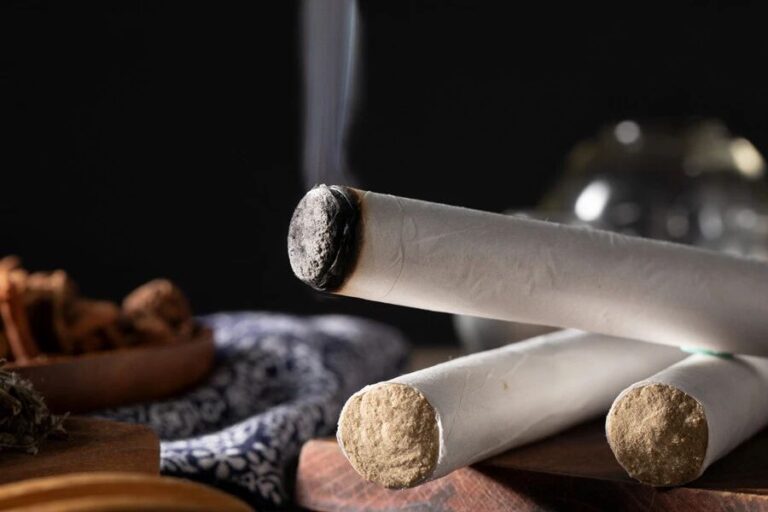
7. Observe the ash: High-quality moxa sticks produce pale white smoke during combustion, leaving grayish-white ash that feels smooth and fine to the touch, resisting scattering. Inferior sticks burn intensely with pungent odor and heavy smoke, yielding coarse, granular black-gray ash that scatters easily.

The proportion of mugwort

The ratio of moxa powder, such as 5:1, 8:1, 10:1, or 30:1, serves as a crucial indicator for assessing the fineness and quality of moxa powder. A higher ratio indicates finer moxa powder, resulting in lighter smoke, gentler heat, and better penetration during combustion. It minimizes damage to meridians and reduces ash fallout while burning.
Similar Posts

  • |

    Moxibustion Time Requirements

    1. Moxibustion can be performed year-round without seasonal restrictions. 2. Mugwort is a pure yang substance that warms and unblocks meridians, dispels cold and dampness, and supplements yang energy. Summer marks nature’s peak yang vitality, where the combined yang heat of both elements enhances efficacy. Winter represents the heaviest cold in both nature and the…

  • |

    How do moxa sticks work?

    Moxibustion sticks are a traditional Chinese medical therapy primarily made from mugwort leaves. They are widely used in TCM physical therapy, but how exactly do they work? Let’s explore their benefits and effects below: 1.Moxibustion sticks promote the circulation of qi and blood throughout the body through their warming effect, thereby achieving the goal of…

  • |

    What should be noted when performing moxibustion?

    1. Maintain warmth during and after moxibustion. Adjust room temperature appropriately and avoid drafts. Windows may be opened during treatment to circulate air. 2. Avoid cold water contact during moxibustion. Refrain from showering for 30 minutes before and after treatment. A warm bath is permissible 30 minutes post-treatment. 3. Gradually increase stimulation intensity: Start with…

  • |

    Where to buy Moxa Sticks?

    For most people, buying online is undoubtedly the most convenient option. But where can one find more authentic moxa sticks? We recommend Nanyang, the original production area in China. Traditional Chinese medicine is widely practiced in Nanyang, and its moxa sticks dominate the Chinese market. Many products in stores are manufactured there. With numerous moxa…

  • What is moxibustion therapy?

    Moxibustion is a therapeutic method that involves igniting moxa cones or sticks made from mugwort leaves. The heat is applied to specific acupoints or areas of the body to stimulate the flow of qi within the meridians, thereby regulating disrupted physiological and biochemical functions to prevent and treat diseases.

Leave a Reply

Your email address will not be published. Required fields are marked *